Local
Free help navigating Medicare options in Falls Village
Meet in Common connects news with real conversations. Use ThinkMatch to arrange a Roundtable and meet people to discuss this story.
Source: Lakeville Journal
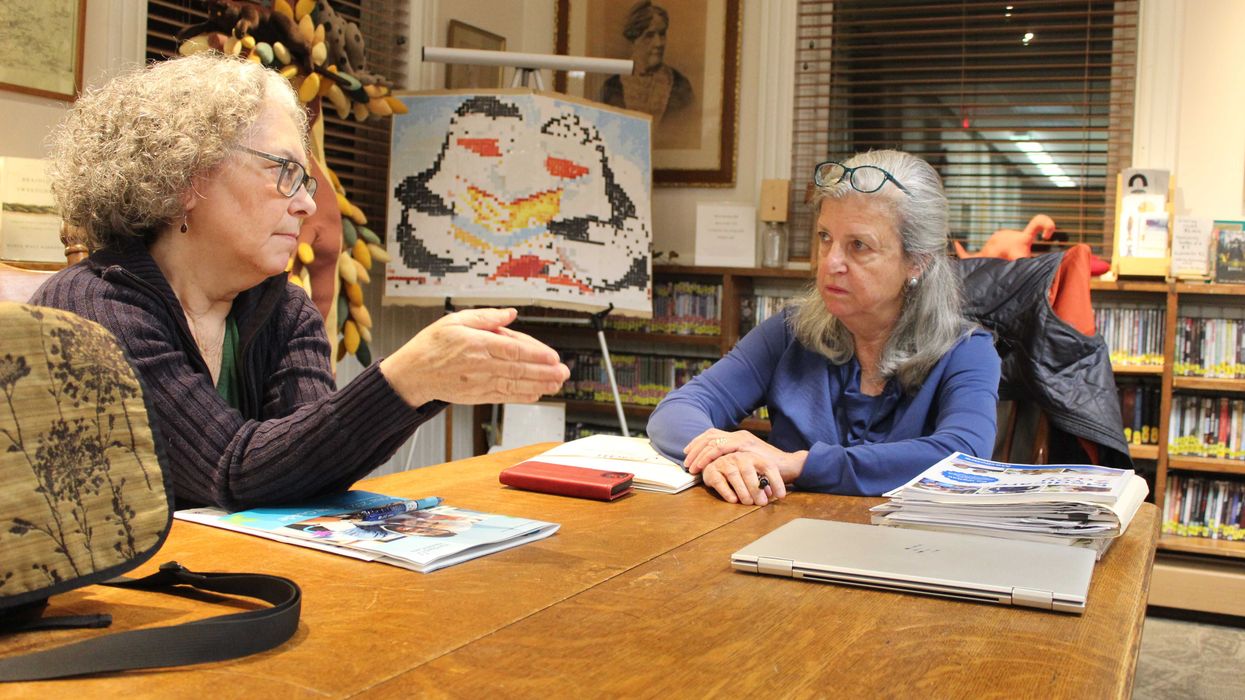
FALLS VILLAGE — Amanda Halle of the Western Connecticut Area Agency on Aging (WCAAA) was at the David M. Hunt Library Thursday, Nov. 5, to offer assistance with Medicare enrollment. Halle explained that WCAAA is a nonprofit agency based in Waterbury that offers free assistance for people trying to navigate the intricacies of Medicare. Amy Wynn of Falls Village was one of them. She is currently on her husband’s health insurance but wanted to know what her options are. There were several, and explaining them in detail is where Halle’s expertise showed. Medicare provides health insurance primarily for people 65 and older. Original Medicare consists of Part A, which helps cover hospital stays, certain skilled nursing care and hospice services, and Part B, which helps cover doctor visits, outpatient care, tests and medical equipment. Most people pay no monthly premium for Part A but pay a monthly premium for Part B. Both have deductibles and other out-of-pocket costs.
This excerpt comes from the named source. Read the original for the full reporting.
Read the original at Lakeville Journal