Local
Fremont Hindu Temple Celebrates Chhaya Malik’s Appointment As Santa Clara County Superior Court Judge » IndiaPost NewsPaper
A Roundtable is a way to meet new people and discuss this article in person at a local coffee shop or other venue.
Roundtables are designed for groups of four, with a shared subject and room for everyone to speak. Come for discussion, with no dating expectation.
Source: IndiaPost NewsPaper
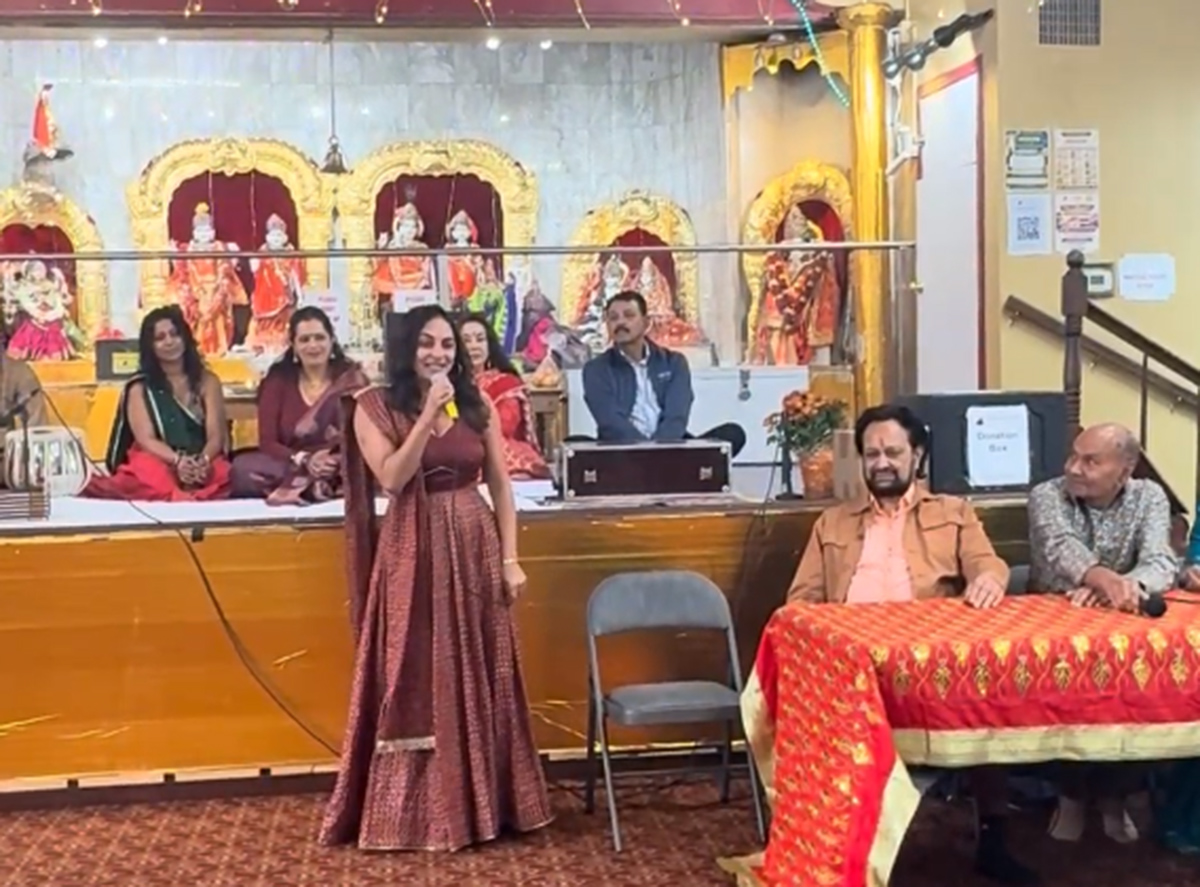
Community Post A proud moment for the Hindu American community and an inspiration for future generations India Post News Service FREMONT, CALIFORNIA: In a moment of immense pride and celebration, several hundred prominent community leaders, friends, family members and devotees gathered at Fremont Hindu Temple (Vedic Dharma Samaj) to celebrate the appointment of Chhaya Malik as a Judge of the Santa Clara County Superior Court. The special gathering was organized by her proud parents, Ram and Rekha Malik, longtime devotees and dedicated members of Fremont Hindu Temple, in conjunction with the Gita Satsang, a monthly spiritual program organized by temple devotees and moderated by Poonam and Sharad Munoth. This ongoing initiative brings devotees together to explore the timeless wisdom of the Bhagavad Gita and its relevance to contemporary life.
This excerpt comes from the named source. Read the original for the full reporting.
Read the original at IndiaPost NewsPaper


