Local
From caffeine to blue light, researchers examine what keeps students awake
A Roundtable is a way to meet new people and discuss this article in person at a local coffee shop or other venue.
Roundtables are designed for groups of four, with a shared subject and room for everyone to speak. Come for discussion, with no dating expectation.
Source: The Baylor Lariat
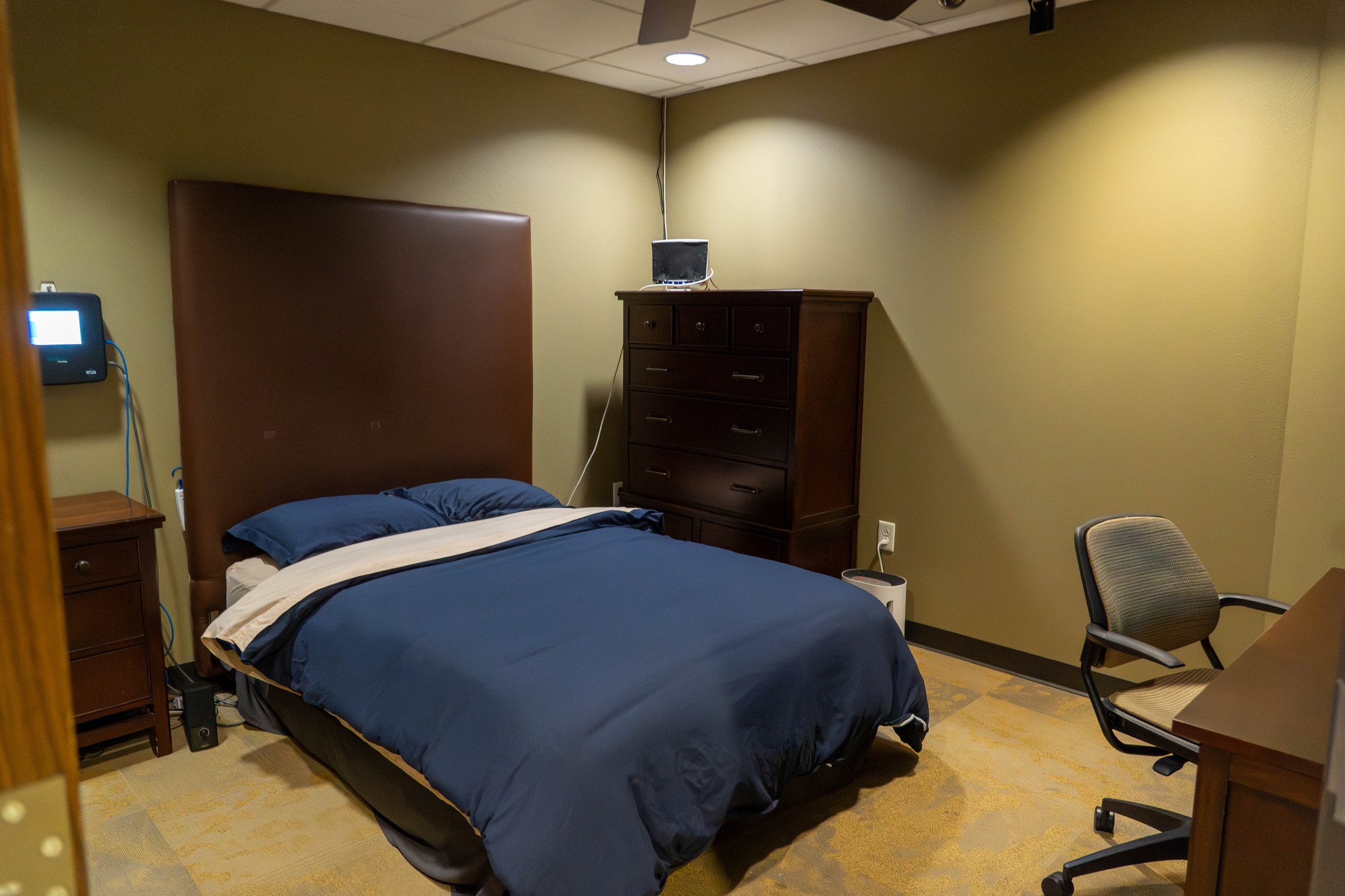
By Stephanie Starks | Staff Writer You’ve tried counting sheep, turning on ambient nature sounds or leaving a nightlight on, but none of these age-old methods seem to help you get more sleep. If that sounds familiar, you’re not alone. The Centers for Disease Control and Prevention estimates that roughly 30% to 46% of American adults get fewer than seven hours of sleep, below the recommended amount. To better understand sleep and its effects, Baylor established the Sleep Neuroscience & Cognition Laboratory in downtown Waco in 2015. Led by principal investigator Dr. Michael K. Scullin, the lab examines how sleep influences cognition and behavior and how research findings can address real-world challenges. Corinne Fitzsimmons, a senior graduate student in the lab, has worked there since 2022. During that time, she has helped conduct experiments examining sleep restriction and sleep extension.
This excerpt comes from the named source. Read the original for the full reporting.
Read the original at The Baylor Lariat