Local
From car models to sculpture, Sergei Fedorjaczenko traces his path to art
A Roundtable is a way to meet new people and discuss this article in person at a local coffee shop or other venue.
Roundtables are designed for groups of four, with a shared subject and room for everyone to speak. Come for discussion, with no dating expectation.
Source: Lakeville Journal
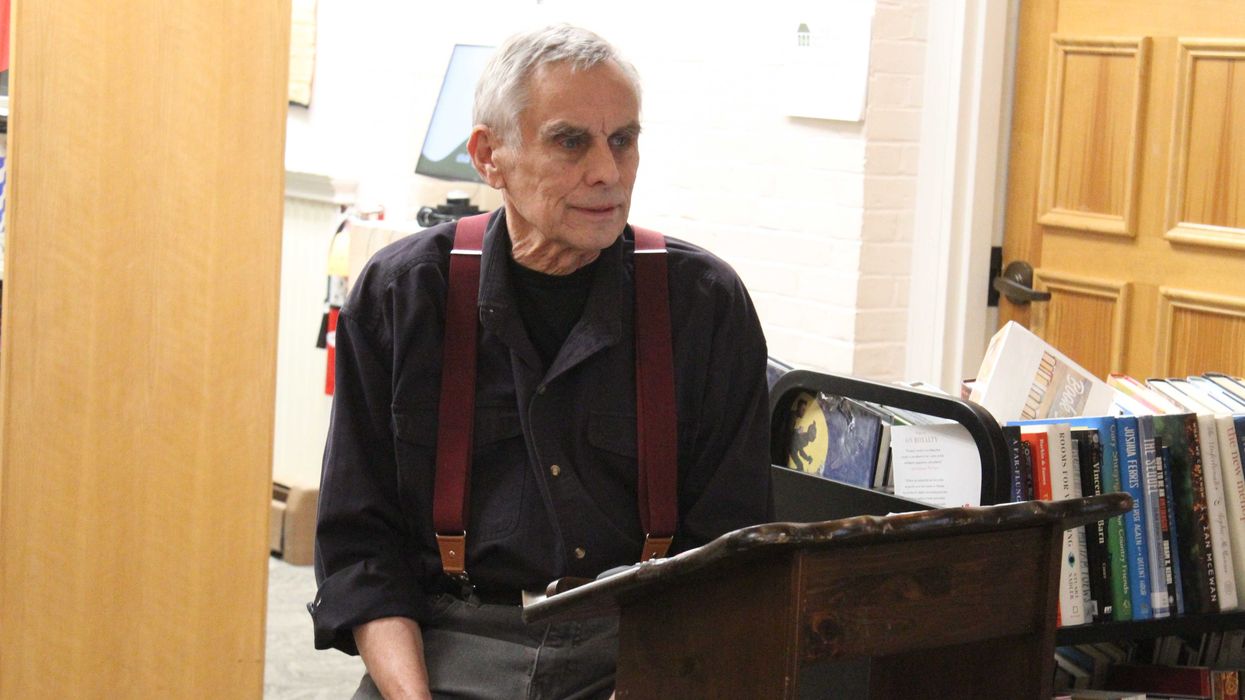
FALLS VILLAGE— Sergei Fedorjaczenko has been an industrial designer, a military photographer and an artist. On Thursday, Nov. 19, he recounted his life and career to a full house at the David M. Hunt Library in a talk titled “The Engineering of Art.” Fedorjaczenko was born in Heidelberg, Germany. In 1950, at age 4, he and his family emigrated to the United States aboard the USS General Taylor, along with about 1,000 other displaced persons. The family settled in New York City. Fedorjaczenko recalled that although the family didn’t have a lot of money, his parents made sure his Christmas and birthday presents were educational. As a boy, he had Erector and chemistry sets, as well as model airplanes. He became interested in art through a TV show, “Learn to Draw with Jon Gnagy.” In 1957, his father took him to an auto show in New York, sparking a lifelong interest in cars. “I was blown away.
This excerpt comes from the named source. Read the original for the full reporting.
Read the original at Lakeville Journal


