Local
From the Classroom to Grant Park: UChicago Students Take On the 2026 Chicago Marathon
A Roundtable is a way to meet new people and discuss this article in person at a local coffee shop or other venue.
Roundtables are designed for groups of four, with a shared subject and room for everyone to speak. Come for discussion, with no dating expectation.
Source: The Chicago Maroon
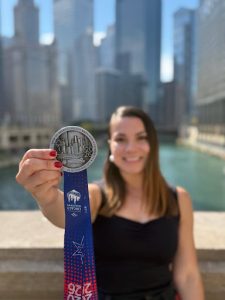
There were many University of Chicago students among the estimated 55,000 people who ran the Bank of America Chicago Marathon on October 11, a day slightly warmer than ideal for racing. Some students earned their spot through the lottery; others joined charity teams and fundraised for causes of their choice. Two of those runners were Liz Villegas and Sebastian Galindo, graduate students at the Harris School of Public Policy. Both trained for about a year to take on the 26.2-mile course. Villegas signed up to prove to herself that she could accomplish whatever she set out to do and that she had no limits. She trained with a coach and ran weekly, learning to adapt to Chicago’s changing summer weather while balancing her studies. On race day, she reached her goal: crossing the finish line of her first marathon.
This excerpt comes from the named source. Read the original for the full reporting.
Read the original at The Chicago Maroon



