Local
From words to art, students find new ways to express feminism
A Roundtable is a way to meet new people and discuss this article in person at a local coffee shop or other venue.
Roundtables are designed for groups of four, with a shared subject and room for everyone to speak. Come for discussion, with no dating expectation.
Source: The Baylor Lariat
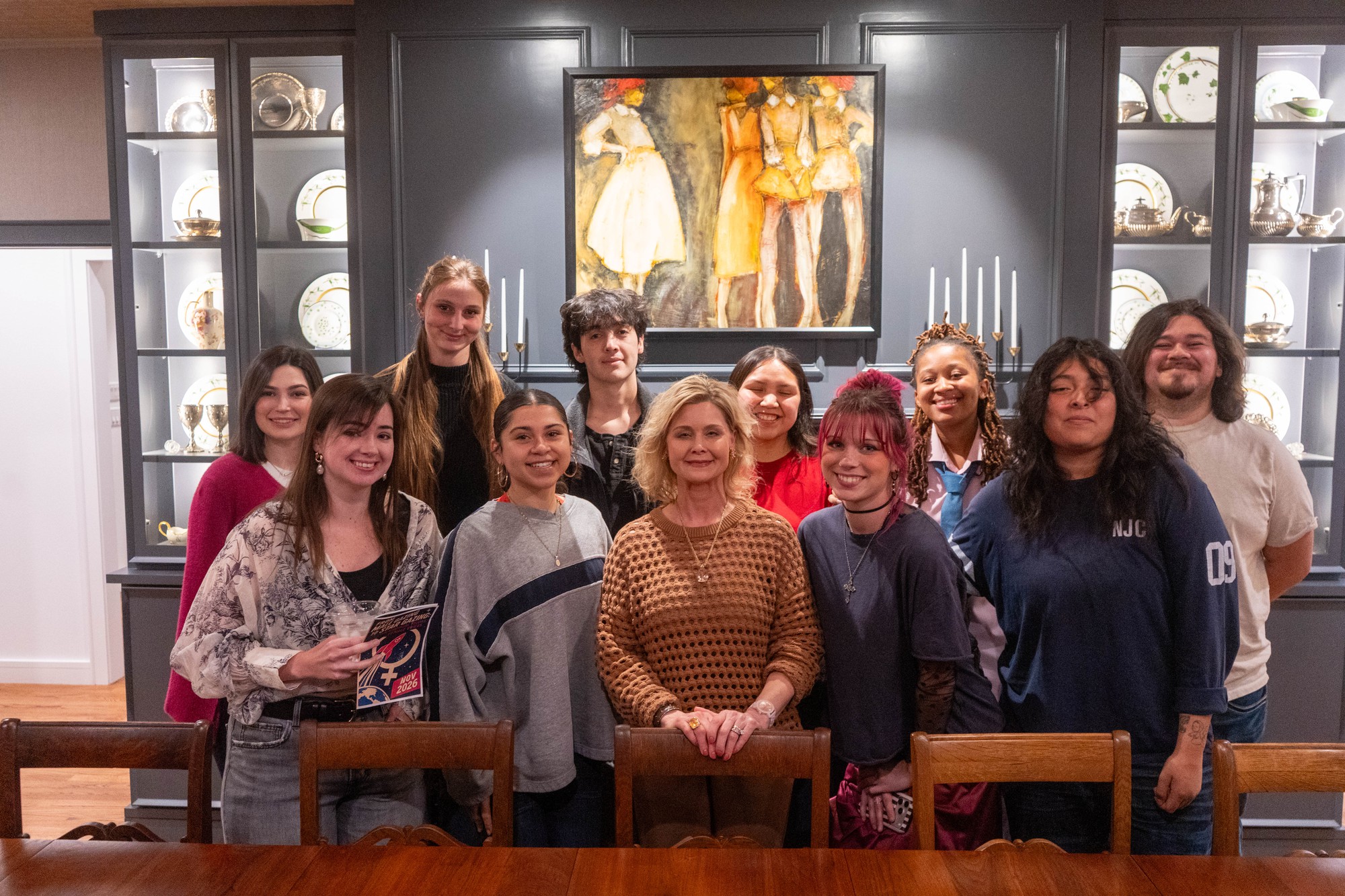
By Stephanie Starks | Staff Writer Imagine being asked to create a piece of art for an exhibit centered on feminism. That was the assignment Dr. Lenore Wright gave students in her Philosophical Issues in Feminism class. The inaugural Feminist Art Exhibit featured 13 student pieces, along with collages Wright created using images from magazines published between the 1920s and 1950s. Wright, a professor of philosophy in the Baylor Interdisciplinary Core and affiliate faculty member in Women’s and Gender Studies, wanted students to take what they had learned from feminist authors such as Simone de Beauvoir and Audre Lorde and translate those ideas into their own forms of art. “Art can help you transcend just delving in and dying in this text to this new place where you’re taking visual imagery and connecting it with what you’ve read,” Wright said.
This excerpt comes from the named source. Read the original for the full reporting.
Read the original at The Baylor Lariat