Local
Gambia v. Myanmar: A Landmark Judgment That Unsettles the Law of Genocide
A Roundtable is a way to meet new people and discuss this article in person at a local coffee shop or other venue.
Roundtables are designed for groups of four, with a shared subject and room for everyone to speak. Come for discussion, with no dating expectation.
Source: Just Security
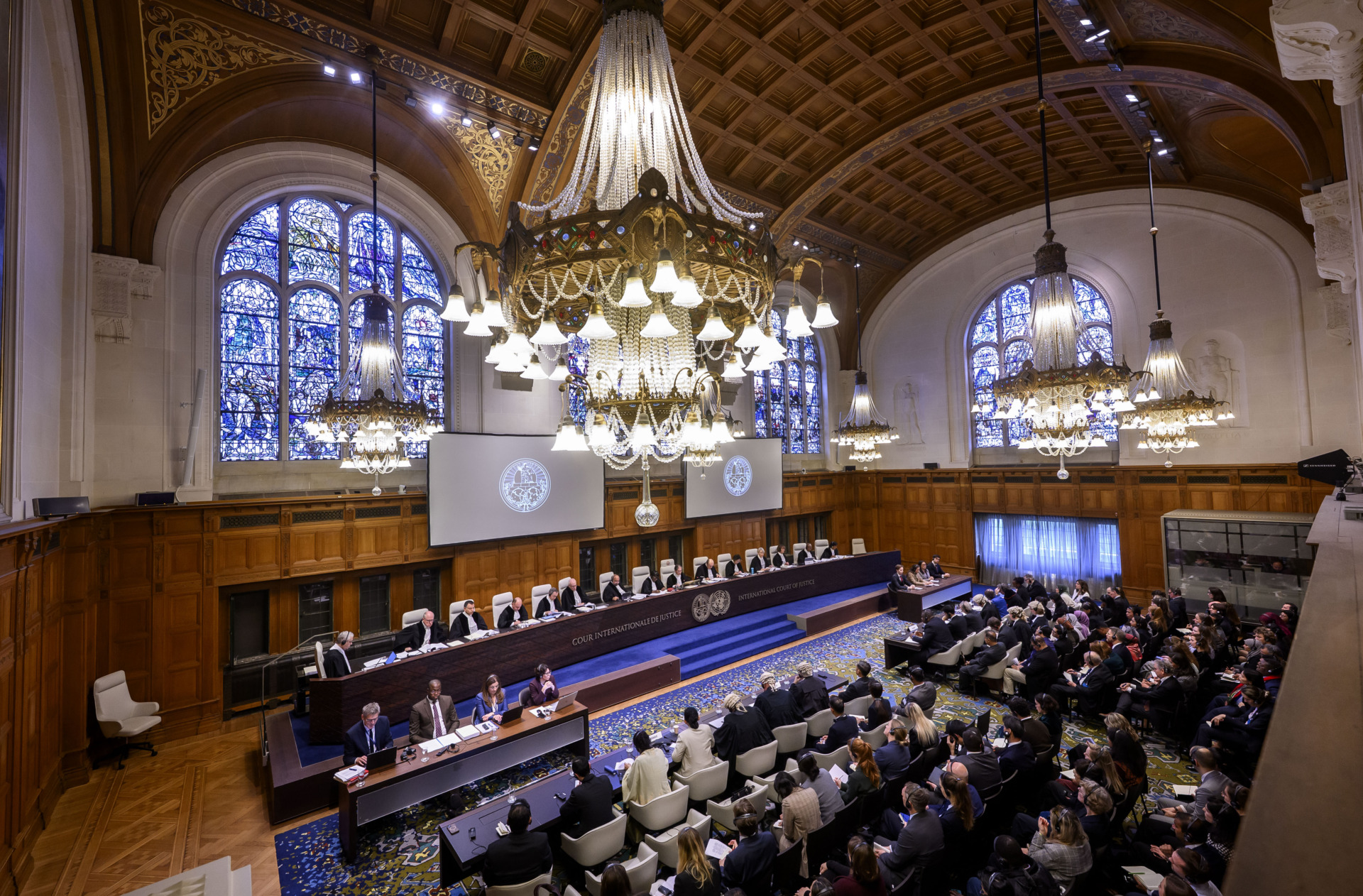
On Nov. 19, 2026 the International Court of Justice held, by nine votes to six, that Myanmar committed genocide against the Rohingya in northern Rakhine State during the “clearance operations” of 2016 and 2017. This is the first time in which the Court has found a State directly responsible for the commission of genocide. In Bosnia v. Serbia (2007), Serbia was held responsible for failing to prevent and punish the genocide at Srebrenica, and in Croatia v. Serbia (2015) the Court dismissed all genocide claims and counter-claims. The judgment is therefore an important milestone in the history of the 1948 Genocide Convention, a history that Philippe Sands, who argued the case for The Gambia, traces back to Raphael Lemkin. The facts established by the Court are grave. It found that at least 10,000 Rohingya were killed during the “clearance operations,” that at least 1,834 were raped, that several hundred villages were burned and that more than 700,000 people fled to Bangladesh.
This excerpt comes from the named source. Read the original for the full reporting.
Read the original at Just Security