Local
General Intent in Gambia v. Myanmar
A Roundtable is a way to meet new people and discuss this article in person at a local coffee shop or other venue.
Roundtables are designed for groups of four, with a shared subject and room for everyone to speak. Come for discussion, with no dating expectation.
Source: Just Security
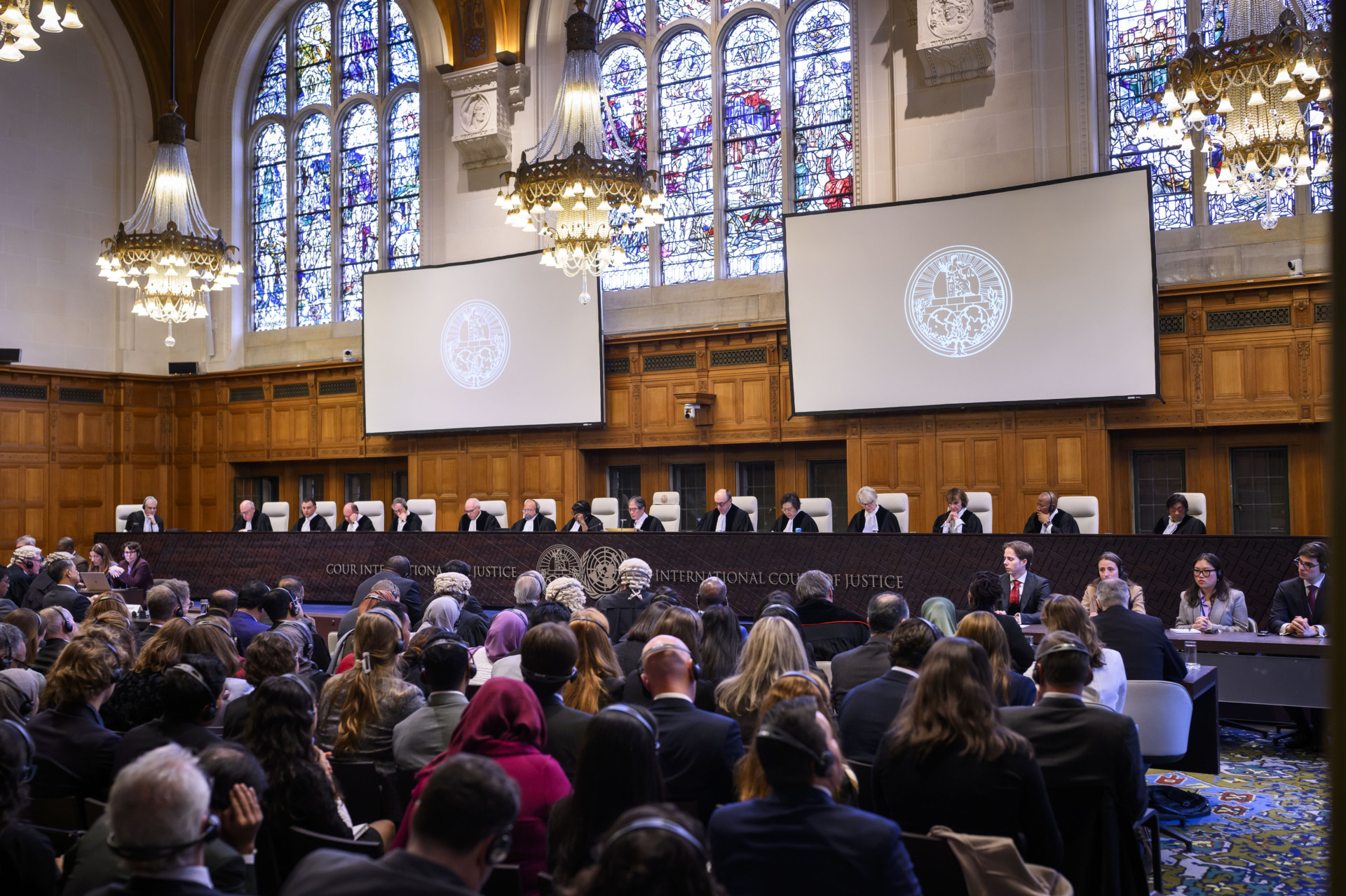
By Adil Ahmad HaquePublished on November 24, 2026Last week, the International Court of Justice found that the Republic of the Union of Myanmar committed genocide against the Rohingya ethnic group during its “clearance operations” in northern Rakhine State in 2017. The Court found that Myanmar’s security forces committed three acts listed in the Genocide Convention—killing members of a group, causing serious bodily or mental harm to members of a group, and imposing measures intended to prevent births within a group—with the specific intent to destroy a substantial part of the group. This article focuses on the Court’s distinct finding that Myanmar’s security forces committed these listed acts with general intent. As we shall see, the Court’s findings with respect to general intent provided an indispensable foundation for its findings with respect to specific intent. The Law Genocide is a “dual intent” crime.
This excerpt comes from the named source. Read the original for the full reporting.
Read the original at Just Security