Local
Georgetown Police Chief Cory Tchida to retire after 30 years of service
A Roundtable is a way to meet new people and discuss this article in person at a local coffee shop or other venue.
Roundtables are designed for groups of four, with a shared subject and room for everyone to speak. Come for discussion, with no dating expectation.
Source: Williamson Reporter
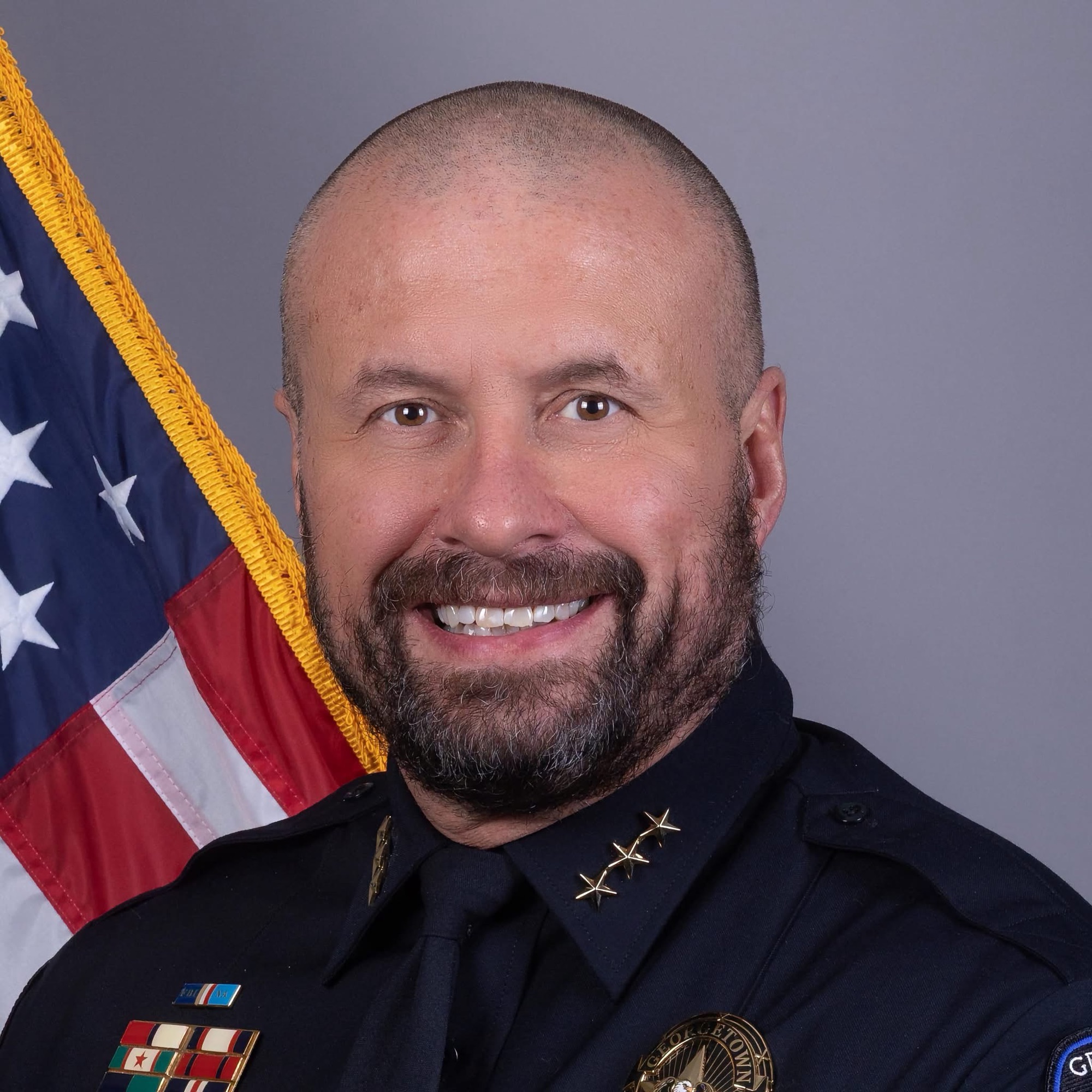
Georgetown Police Chief Cory Tchida will retire Feb. 1, 2027, concluding a 30-year career with the Georgetown Police Department that saw him rise through the ranks from patrol officer to the department’s top leadership position. The city announced Tchida’s upcoming retirement while recognizing his decades of service, leadership and contributions to law enforcement in Georgetown and beyond. During his career, Tchida helped implement several initiatives aimed at improving police training, accountability and community relationships. Among his accomplishments, Tchida restructured the department’s firearms training program, led the agency through its first reaccreditation process and completed the International Association of Chiefs of Police’s One Mind and Trust Building campaigns. He also shared his experience and expertise with law enforcement professionals nationwide through the U.S.
This excerpt comes from the named source. Read the original for the full reporting.
Read the original at Williamson Reporter


