Local
Georgia Water Contamination Lawsuit [2026 Update] - King Law
Meet in Common connects news with real conversations. Use ThinkMatch to arrange a Roundtable and meet people to discuss this story.
Roundtables are designed for groups of four, with a shared subject and room for everyone to speak. Come for discussion, with no dating expectation.
Source: www.robertkinglawfirm.com
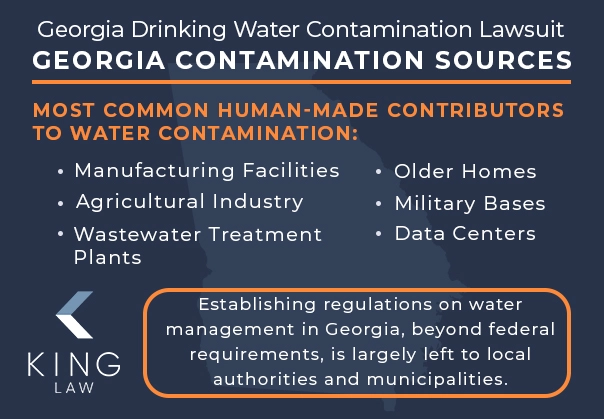
See if You Qualify Georgia is home to expansive water resources. However, decades of pollution and contamination have caused numerous problems for local water supplies and residents. Many of the contaminants found in Georgia’s drinking water can lead to serious illnesses. For example, the presence of PFAS (forever chemicals), lead, chloroform, and other contaminants in Georgia’s water is deeply concerning for residents. Over the years, the state’s response to these challenges has been mixed. In an effort to recoup compensation for their losses, many people in Georgia have filed lawsuits against the companies that polluted their water sources. Georgia Water Contamination Lawsuit Overview Georgia water contamination lawsuits attempt to compensate Georgians for injuries they have sustained due to being exposed to potentially dangerous chemicals. Such pollution can have numerous sources.
This excerpt comes from the named source. Read the original for the full reporting.
Read the original at www.robertkinglawfirm.com