Local
Getting ‘er done - two local hunters face different challenges, but by working together, find a way
A Roundtable is a way to meet new people and discuss this article in person at a local coffee shop or other venue.
Roundtables are designed for groups of four, with a shared subject and room for everyone to speak. Come for discussion, with no dating expectation.
Source: The Livingston Enterprise
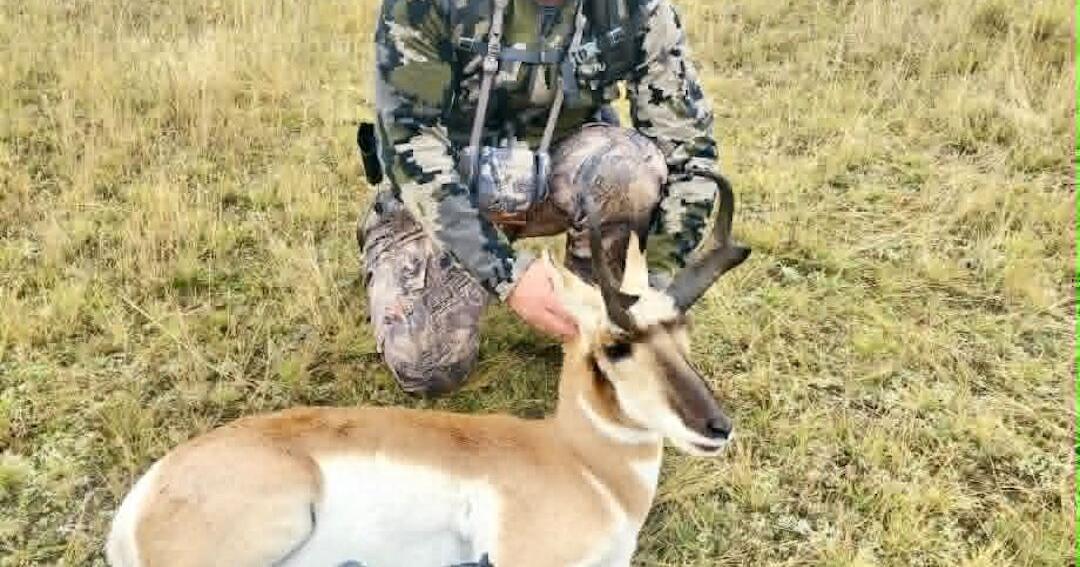
For many locals, hunting season in Montana is a time to get out of doors. It’s a time to fill the freezer. It’s a family tradition. Like many Livingston residents, Cory Mayer, 42, started small with his hunting career. “I would hunt gophers with my older cousins when I was younger,” Mayer said. He began hunting local big game when he was 13-years-old, with his father, Harvey and brother Tom. “My family helped me develop a strong passion for hunting ever since I was very young, “ Mayer said. He said a great part of hunting for him is the experience of being out of doors. “I love being outside. I feel at peace and comfortable, alleviated of stress when I am,” Mayer described, in a recent email. Mayer assisted longtime Park County resident Dan Karrell on a successful antelope hunt a couple weeks ago. “I was there to be there for Dan,” Mayer explained.
This excerpt comes from the named source. Read the original for the full reporting.
Read the original at The Livingston Enterprise


