Local
Gilbane Development breaks ground on $350M WKU student housing project
A Roundtable is a way to meet new people and discuss this article in person at a local coffee shop or other venue.
Roundtables are designed for groups of four, with a shared subject and room for everyone to speak. Come for discussion, with no dating expectation.
Source: Construction Dive
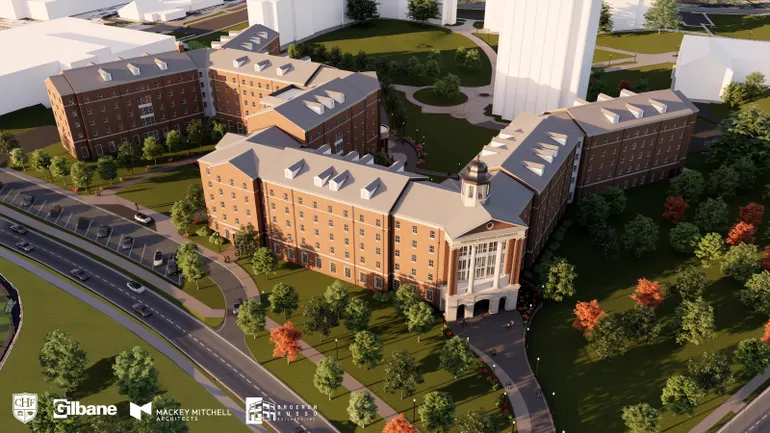
Western Kentucky University, in partnership with Gilbane Development, broke ground on The Southern Gateway, a new, $350 million student housing complex, according to an announcement from the school. The general contractor for the project is Champaign, Illinois-based Broeren Russo Builders, according to a Gilbane spokesperson. Gilbane Building, the construction arm of parent company Gilbane, performed early-stage and construction feasibility work, Gilbane told Construction Dive via email. The approximately 1,000-bed residential complex will replace two of WKU’s oldest such halls — Hugh Poland and Douglas Keen Halls — on the same site, according to the university’s announcement. The scope of The Southern Gateway’s cost includes the construction of the new residence hall, debt defeasance and significant facility repairs and renovations, according to WKU.
This excerpt comes from the named source. Read the original for the full reporting.
Read the original at Construction Dive


