Local
Girls Swimming and Diving: A busy week awaits Warriors
A Roundtable is a way to meet new people and discuss this article in person at a local coffee shop or other venue.
Roundtables are designed for groups of four, with a shared subject and room for everyone to speak. Come for discussion, with no dating expectation.
Source: Brainerd Dispatch
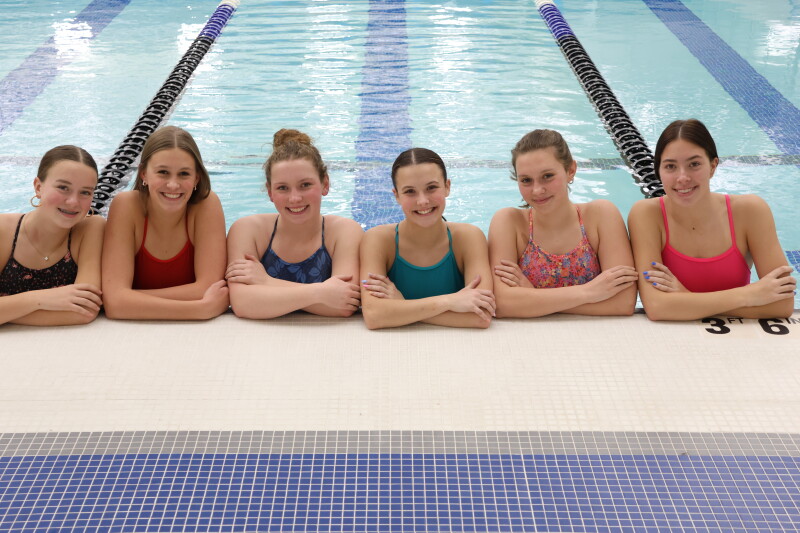
MINNEAPOLIS — The days may have changed, but expectations remain high. The Brainerd Warriors will send six student-athletes to the Class 2A State Meet, which begins a day earlier, Wednesday, Nov. 18, at the Jean K. Freeman Aquatic Center at the University of Minnesota. Freshman Blair Ahlquist will start things off during the state diving prelims. This will be her second state appearance. As an eighth grader, Ahlquist placed 13th at state with 339.1 points. “The order she dove on Saturday, I purposely flipped them around from when she dove in the (Central Lakes) Conference and (Section 8-2A) True Team meets,” Brainerd diving coach Mary Clifford said. “I wanted to try that order because I think that’s the order we’ll go with. She’s just one of those divers who doesn’t have any holes in her list. She’s pretty solid all the way through.
This excerpt comes from the named source. Read the original for the full reporting.
Read the original at Brainerd Dispatch