Local
Giving Thanks in the Triad
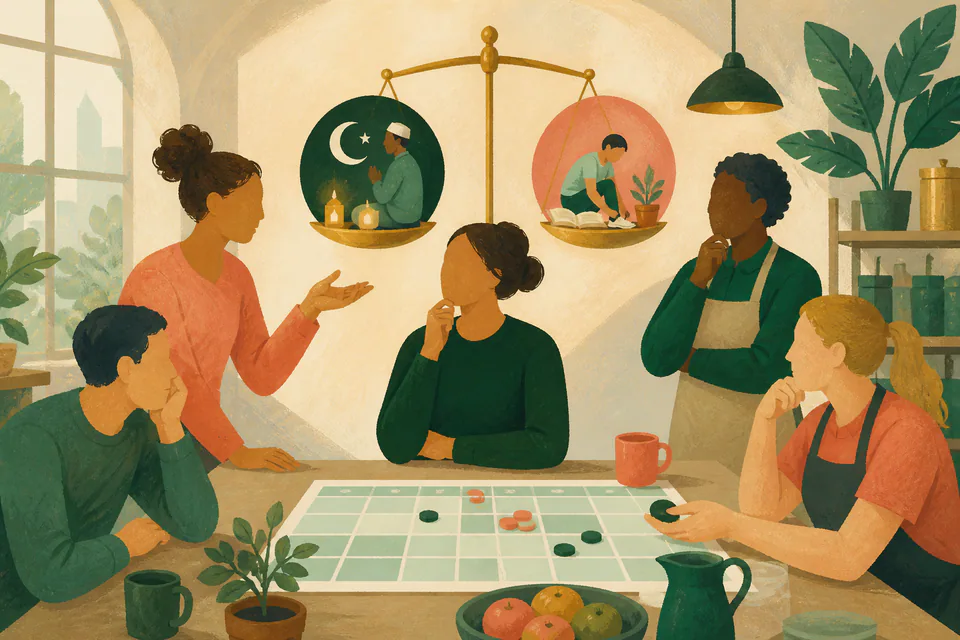
A Roundtable is a way to meet new people and discuss this article in person at a local coffee shop or other venue.
Roundtables are designed for groups of four, with a shared subject and room for everyone to speak. Come for discussion, with no dating expectation.
Source: YES! Weekly

Chanel Davis — EditorWelcome to one of the issues of the year that I enjoy and my staff indulges me in. As the year winds down, I think it’s safe to say that we are all grateful for something this year. That includes family and the capitalism brought on by Black Friday sales. At a time that is ripe with moments of reflection, I would have to say that I’m most grateful for opportunity. Working in this industry is not an easy task and takes more discipline and control than in other careers. However, it gives us the opportunity to inform, educate, reveal, and analyze our basic human needs. I’m thankful to be in a position to help do that for all of our readers. Of course, I’m thankful for my family, friends, colleagues, and this incredible staff at YES! Weekly. This year has felt different in each category. My circle has grown tremendously this year, and I’m thankful for all of the people that I can now call my friend or family.
This excerpt comes from the named source. Read the original for the full reporting.
Read the original at YES! Weekly