Local
Glaukos Sets $1B Revenue Target After Record Q3
Meet in Common connects news with real conversations. Use ThinkMatch to arrange a Roundtable and meet people to discuss this story.
Source: Orange County Business Journal
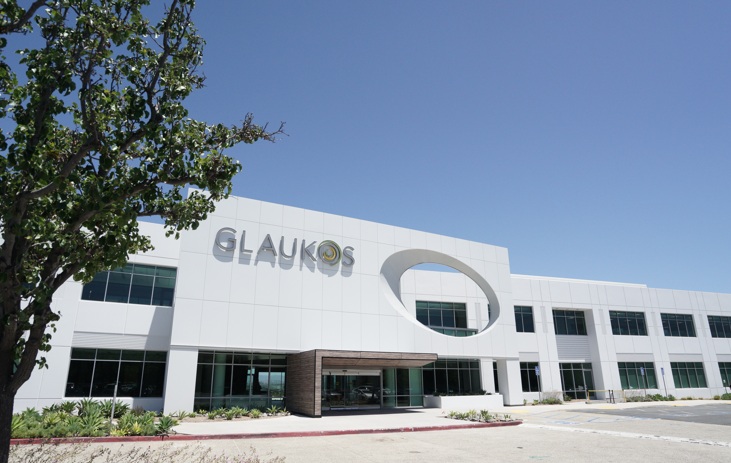
Glaukos Corp. is eyeing $1 billion in annual sales next year following a record third quarter. The ophthalmic drug and medical technology company on Oct. 28 reported revenue of $211 million, up 58% from a year ago and exceeding the $168.8 million expected by analysts. Growth was driven by strong demand for two products: iDose TR, a glaucoma treatment designed to continuously deliver medication inside the eye, and Epioxa, a treatment for keratoconus that launched in March. Epioxa is the first and only FDA-approved topical drug therapy for the rare, sight-threatening eye disease. The results prompted Glaukos to raise full-year 2026 revenue guidance by nearly $90 million at the midpoint. It’s now forecasting revenue of $775 million to $785 million, up from its previous forecast of $680 million to $700 million. Glaukos (NYSE: GKOS) shares jumped more than 33% after earnings, reaching a 52-week high of $248.75 on Oct. 30.
This excerpt comes from the named source. Read the original for the full reporting.
Read the original at Orange County Business Journal