Local
GlobalFoundries Makes Headway on its $21B Japan-Funded Fab in Malta, New York in Latest Updates
A Roundtable is a way to meet new people and discuss this article in person at a local coffee shop or other venue.
Roundtables are designed for groups of four, with a shared subject and room for everyone to speak. Come for discussion, with no dating expectation.
Source: Construction Review
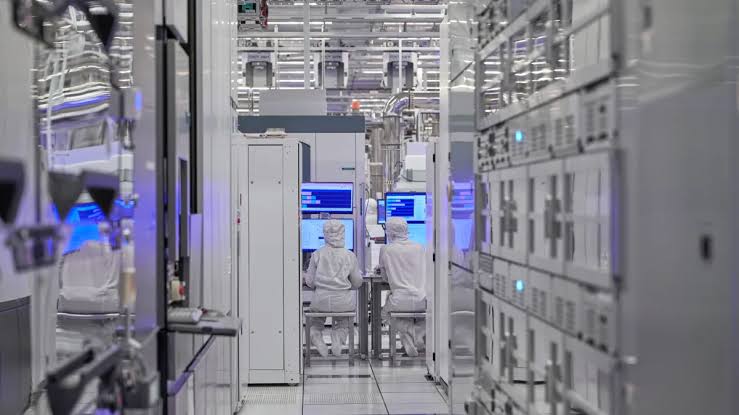
GlobalFoundries has started construction on its first Japan-funded fab in Malta, NY. The first investment is about $10 billion, and a second $10 billion fab will follow as the project progresses. In the meantime, New York State is providing $570 million in incentives for the first fab. The groundbreaking on Nov. 13 was attended by US and Japanese government officials, Governor Kathy Hochul, customers and partners. The US-Japan initiative offers up to $21 billion in funding for Japan. In addition, GlobalFoundries brings its technology and manufacturing capabilities. The company was selected as provider and operator for the two fabs in October. “Today, we’re shovels in the ground and making an ambitious partnership a reality,” CEO Tim Breen said. Other Projects In a similar scope, SpaceX is proposing a $50 billion Cochise County data center campus in Arizona. The county has been given a special use permit application for property off State Route 191 on Oct.
This excerpt comes from the named source. Read the original for the full reporting.
Read the original at Construction Review


