Local
GM plans 20% boost in robotics as factory costs rise
A Roundtable is a way to meet new people and discuss this article in person at a local coffee shop or other venue.
Roundtables are designed for groups of four, with a shared subject and room for everyone to speak. Come for discussion, with no dating expectation.
Source: Marianas Variety
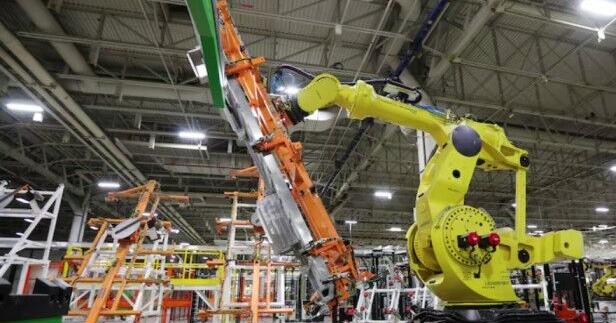
An assembly robot operates on the line at automaker General Motors Brightdrop unit's CAMI EV Assembly, Canada's first full-scale electric vehicle manufacturing plant, in Ingersoll, Ontario, Canada on Dec. 5, 2022. REUTERS (Reuters) — General Motors is aiming to increase use of robots and other automation by 20% at its North American factories by 2028, two people familiar with the matter said, as the automaker grapples with higher labor and onshoring costs.The Detroit automaker is developing its own robots and assembling them at its Kokomo, Indiana, plant, the sources and two other people said, and is focused on using autonomous mobile robots to move parts around its plants.The 20% automation target and production of robots in Indiana have not previously been reported.GM is still buying robotics equipment from outside suppliers while developing its own in-house, an effort that company executives outlined last year.It also is asking parts suppliers bidding on new contracts to submit…
This excerpt comes from the named source. Read the original for the full reporting.
Read the original at Marianas Variety