Local
Government contracts explained: how agencies pick winners, score bids and handle protests
Meet in Common connects news with real conversations. Use ThinkMatch to arrange a Roundtable and meet people to discuss this story.
Source: EDN News 12
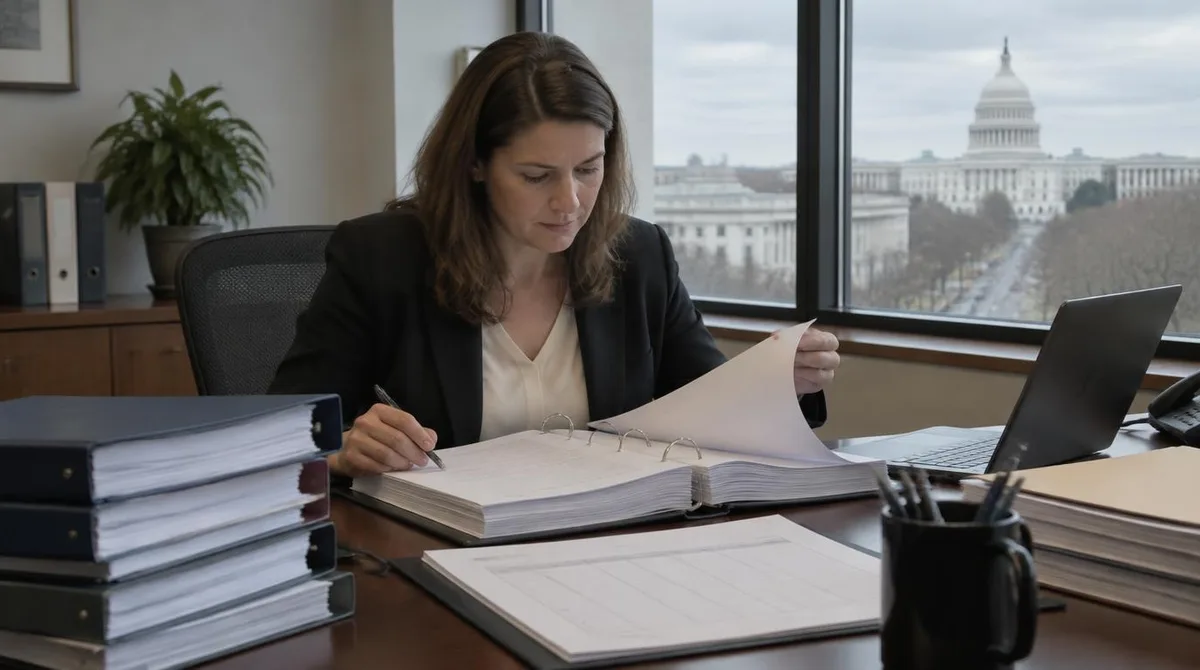
The federal government buys almost everything through a competition. Agencies write down what they want, companies answer in writing, a panel scores the answers against published rules, and the highest-value offer wins the contract. If a losing bidder believes the rules were applied badly, it can file a protest and force the agency to explain itself, sometimes redoing the whole contest. This piece explains how that process works step by step: what a request for proposals actually asks for, how scoring rubrics turn prose into points, and why protests are a normal part of the system rather than a scandal. The legal foundation is old and simple. The Constitution is the supreme law of the United States and the source of all government powers, according to the White House, which means every federal contract ultimately rests on authority the Constitution grants and limits. What is a request for proposals, and why does it matter so much?
This excerpt comes from the named source. Read the original for the full reporting.
Read the original at EDN News 12