Local
Governor ‘exploring’ involvement in ethics panel lawsuit
A Roundtable is a way to meet new people and discuss this article in person at a local coffee shop or other venue.
Roundtables are designed for groups of four, with a shared subject and room for everyone to speak. Come for discussion, with no dating expectation.
Source: Minot Daily News
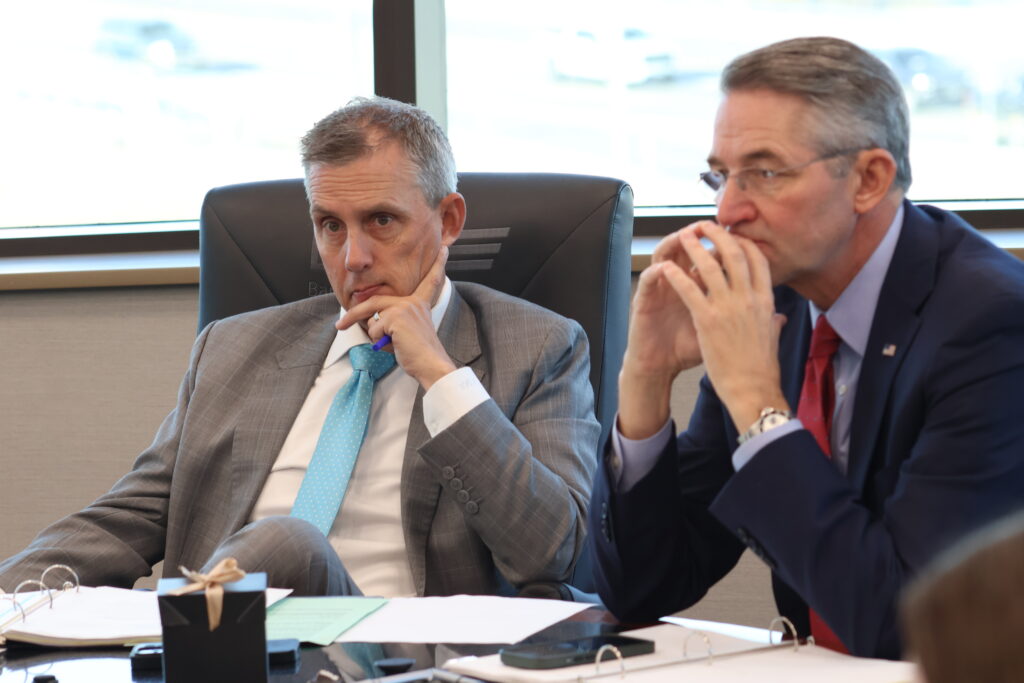
BISMARCK – North Dakota Gov. Kelly Armstrong said Friday, Nov. 21, his office is looking at whether to become involved in the state Ethics Commission’s lawsuit against Attorney General Drew Wrigley related to a critical opinion the AG issued last year. “We’re exploring it,” Armstrong said in an interview with the North Dakota Monitor. “I mean, I am not going to step on the attorney general’s toes … but I think the protection of AG’s opinions is pretty important to the overall function of government.” Wrigley said Friday he will seek to have the Ethics Commission’s lawsuit dismissed, and if not dismissed, “to address what we believe to be the clearly constitutional and legal meritorious side of this discussion.” The lawsuit relates to a June 2025 advisory opinion by the Ethics Commission that said campaign funds can be used for caregiving and security expenses in certain instances.
This excerpt comes from the named source. Read the original for the full reporting.
Read the original at Minot Daily News