Local
Grand Prairie sued over canceled Muslim holiday event at Epic Waters water park
A Roundtable is a way to meet new people and discuss this article in person at a local coffee shop or other venue.
Roundtables are designed for groups of four, with a shared subject and room for everyone to speak. Come for discussion, with no dating expectation.
Source: NBC 5 Dallas-Fort Worth
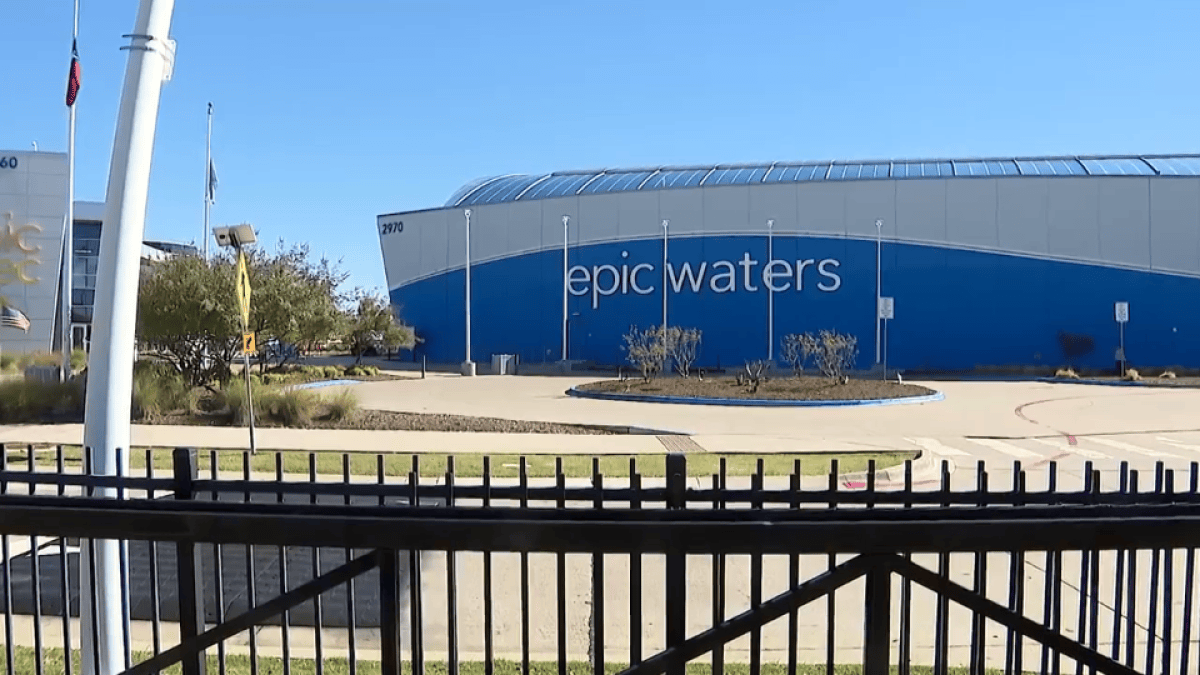
A canceled Muslim holiday celebration at a North Texas water park is now at the center of a federal lawsuit accusing the city of Grand Prairie, its water park operator and Gov. Greg Abbott of religious discrimination. But attorneys representing the event's organizer say the city has an opportunity to resolve its part of the legal dispute by committing to host the celebration next year. Watch NBC 5 free wherever you are The Council on American-Islamic Relations, or CAIR, announced the lawsuit six months after Grand Prairie canceled an annual Eid celebration organized by Dr. Aminah Knight at Epic Waters, a city-owned indoor water park. Knight said she had worked with the water park to organize an event specifically for Muslim families. "We partnered with Epic Waters to create an event that really catered to Muslim families, complete with halal food, a private prayer area, and a flyer that was approved by the park. But when the controversy hit, Epic Waters became silent," Knight said.
This excerpt comes from the named source. Read the original for the full reporting.
Read the original at NBC 5 Dallas-Fort Worth