Local
Gridiron Grit: The stories within the story of the Cavaliers’ historic season
A Roundtable is a way to meet new people and discuss this article in person at a local coffee shop or other venue.
Roundtables are designed for groups of four, with a shared subject and room for everyone to speak. Come for discussion, with no dating expectation.
Source: thecarrollnews.com
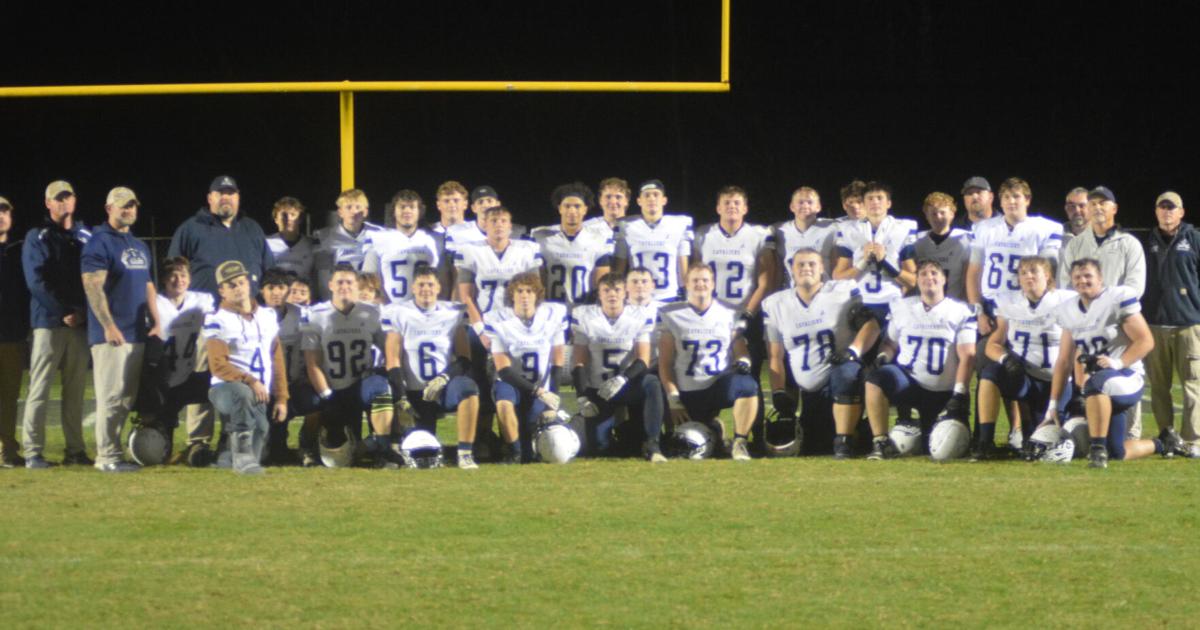
The 2026 Carroll County High School football Cavaliers pose for a team photo after their win over James River. RYAN MCCAFFERTY Carroll County High School quarterback Blake Reed had never broken a bone before in his life. So when he noticed some discomfort during the Cavaliers’ September 25 contest at Patrick County, he did what any dedicated teammate would do and played through the pain.Only afterwards did Reed find out that he had fractured his collarbone.“I didn’t really know what it felt like, just that it hurt really bad,” Reed recalled. “I went straight to Google and looked up how quickly I could come back and I was just thankful I could.”For the senior captain, his season — and high school football playing days — could have very well been over in an instant. Instead, Reed returned hardly a month later, contributing primarily in the defensive backfield during Carroll’s Three Rivers District-clinching win on October 30 at Martinsville.
This excerpt comes from the named source. Read the original for the full reporting.
Read the original at thecarrollnews.com