Local
Grow Nauvoo looks over recent improvements
A Roundtable is a way to meet new people and discuss this article in person at a local coffee shop or other venue.
Roundtables are designed for groups of four, with a shared subject and room for everyone to speak. Come for discussion, with no dating expectation.
Source: Daily Gate City
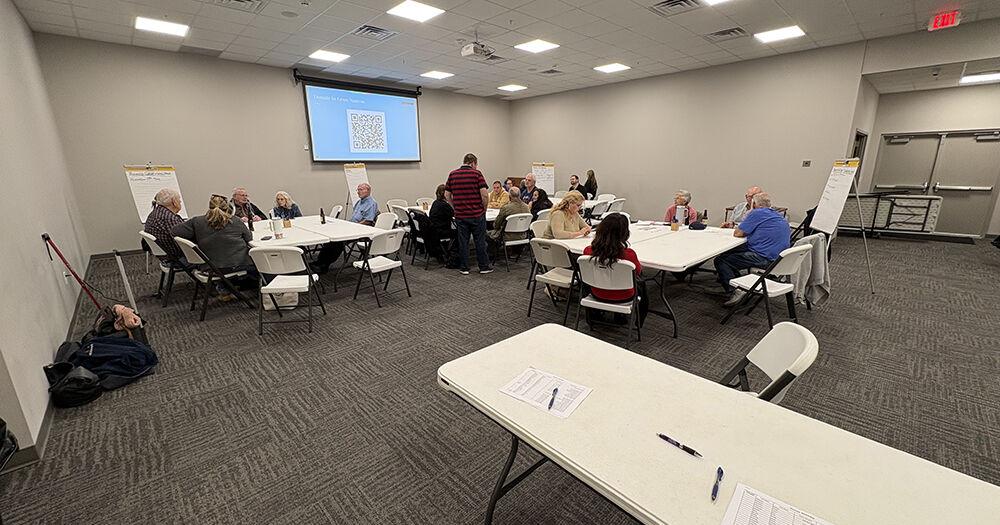
About 21 people attended Grow Nauvoo’s annual meeting Thursday, Nov. 12, at the Nauvoo City Center. Chairman Jordan Squire presented a slideshow about the group’s work over the past year, including projects focused on improving the city, supporting local businesses and addressing housing needs. City improvements and cleanup Grow Nauvoo secured a $2,000 matching donation from Nauvoo Facilities Management and negotiated an $850 discount on two new solar-powered speed-limit signs. The signs have been installed near Dollar General and the Temple parking lot. The group is also working with a vendor to seek a grant for electric-vehicle charging stations. It identified two possible locations: behind the public restrooms on Mulholland Street and at The Inn at Old Nauvoo. They are coordinating with local vendors to help plan the concrete work and electrical connections. Grow Nauvoo also held its latest Mulholland cleanup in October.
This excerpt comes from the named source. Read the original for the full reporting.
Read the original at Daily Gate City