Local
Gun Possession at Heart of Defense Argument in Shooting Trial Opening
A Roundtable is a way to meet new people and discuss this article in person at a local coffee shop or other venue.
Roundtables are designed for groups of four, with a shared subject and room for everyone to speak. Come for discussion, with no dating expectation.
Source: Baltimore Witness
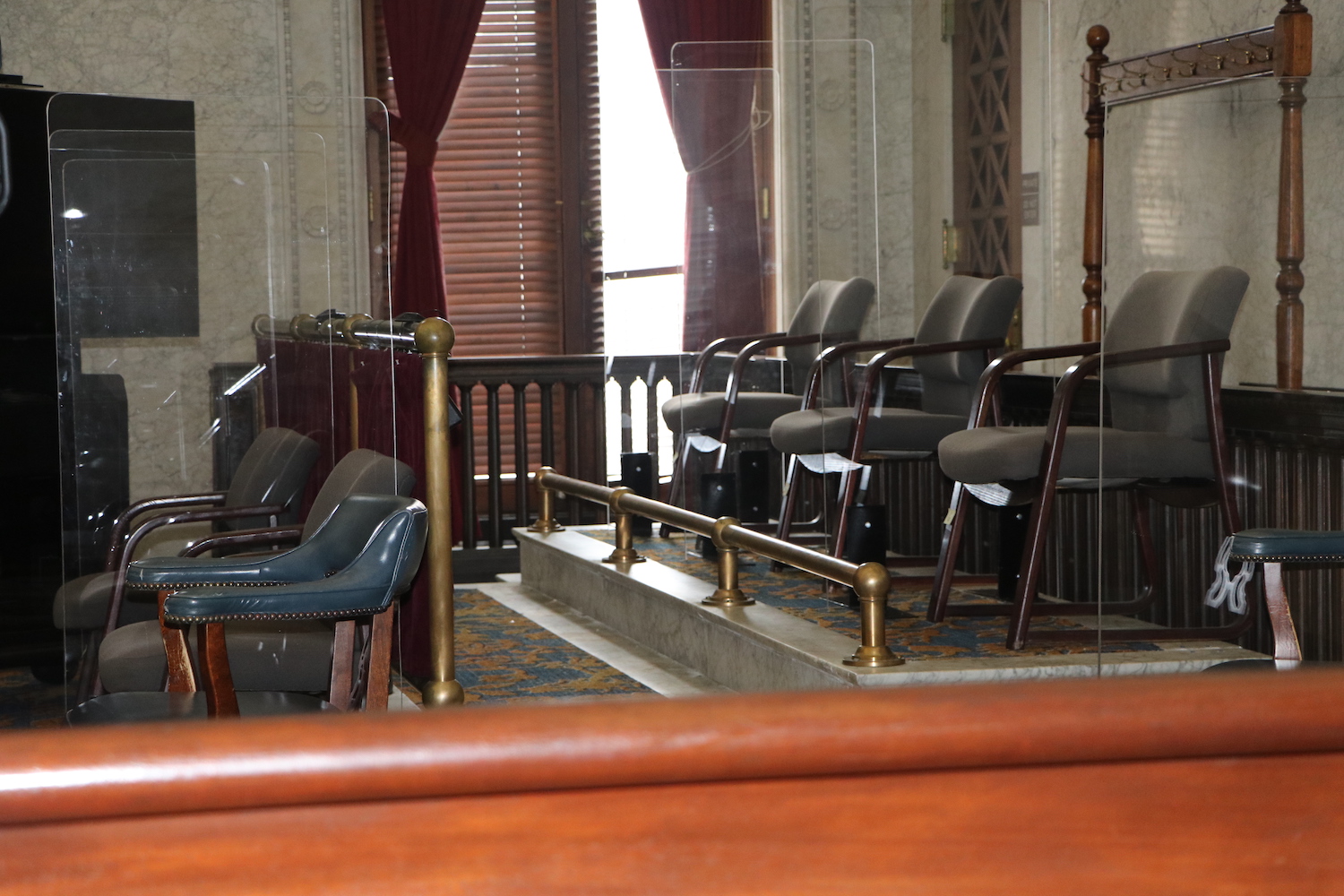
Defense counsel in the case against attempted murder defendant Tavon Giddins implored the jury to “think critically” as they process evidence at trial, emphasizing the month-long gap between the incident and Baltimore Police Department’s (BPD) identification of the defendant. The 48-year-old defendant’s four-day trial began with opening statements on Nov. 19 before Baltimore City Circuit Court Judge LaZette C. Ringgold-Kirksey. Giddins is charged with the attempted murder of a homeless man in addition to assault, reckless endangerment and seven weapons violations. “There is literally 29 days between Jan. 22 and Feb. 20,” defense attorney Jason Rodriguez said. “…If this happened like the [prosecution] said it happened…what are you going to do in those 29 days? You’re going to get rid of the gun.” However, that apparently is not what happened.
This excerpt comes from the named source. Read the original for the full reporting.
Read the original at Baltimore Witness