Local
Hamtramck mayoral race still unsettled nearly a year after election as recount request filed
Meet in Common connects news with real conversations. Use ThinkMatch to arrange a Roundtable and meet people to discuss this story.
Roundtables are designed for groups of four, with a shared subject and room for everyone to speak. Come for discussion, with no dating expectation.
Source: WJRT ABC12
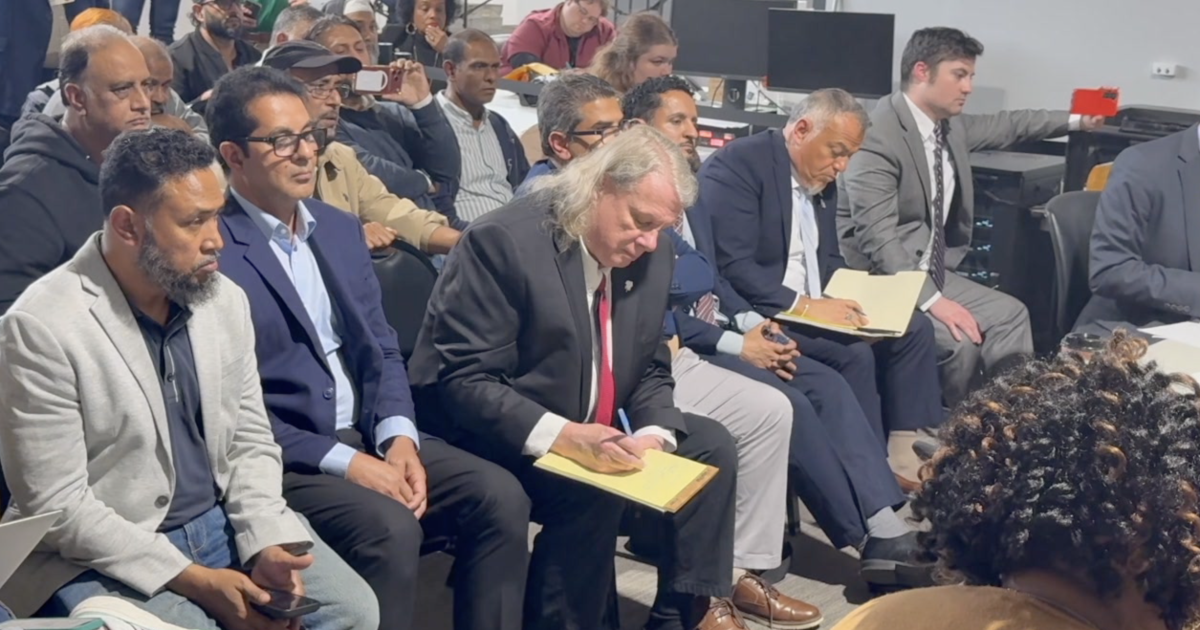
HAMTRAMCK, Michigan (WXYZ) -- Nearly a year after Hamtramck voters went to the polls, the city still does not have a settled mayor. Last Friday, the Wayne County Board of Canvassers counted 37 long-disputed absentee ballots as per a court order. Two were write-in votes, but 29 of them went to challenger Muhith Mahmood. Just 6 went to current Mayor Adam Alharbi. That count could flip one of Michigan's closest races. But now there's a request for a recount, suggesting the fight is far from over. Hamtramck resident Zakaria Abdulmalek is concerned about the uncertainty. "If they go back and forth about elections, it's most likely going to be a continuous thing," Abdulmalek said. Representing Mayor Adam Alharbi, attorney Nabih Ayad says he filed for a recount Monday, aiming to prove that the newly counted ballots were tainted from the start. "We are asking for a recount," Ayad said. "They came two days after the election was closed. They were open is also another violation.
This excerpt comes from the named source. Read the original for the full reporting.
Read the original at WJRT ABC12