Local
Hand-count errors tied to about 300 misreported votes in Mat-Su Borough election
A Roundtable is a way to meet new people and discuss this article in person at a local coffee shop or other venue.
Roundtables are designed for groups of four, with a shared subject and room for everyone to speak. Come for discussion, with no dating expectation.
Source: Mat-Su Valley Frontiersman
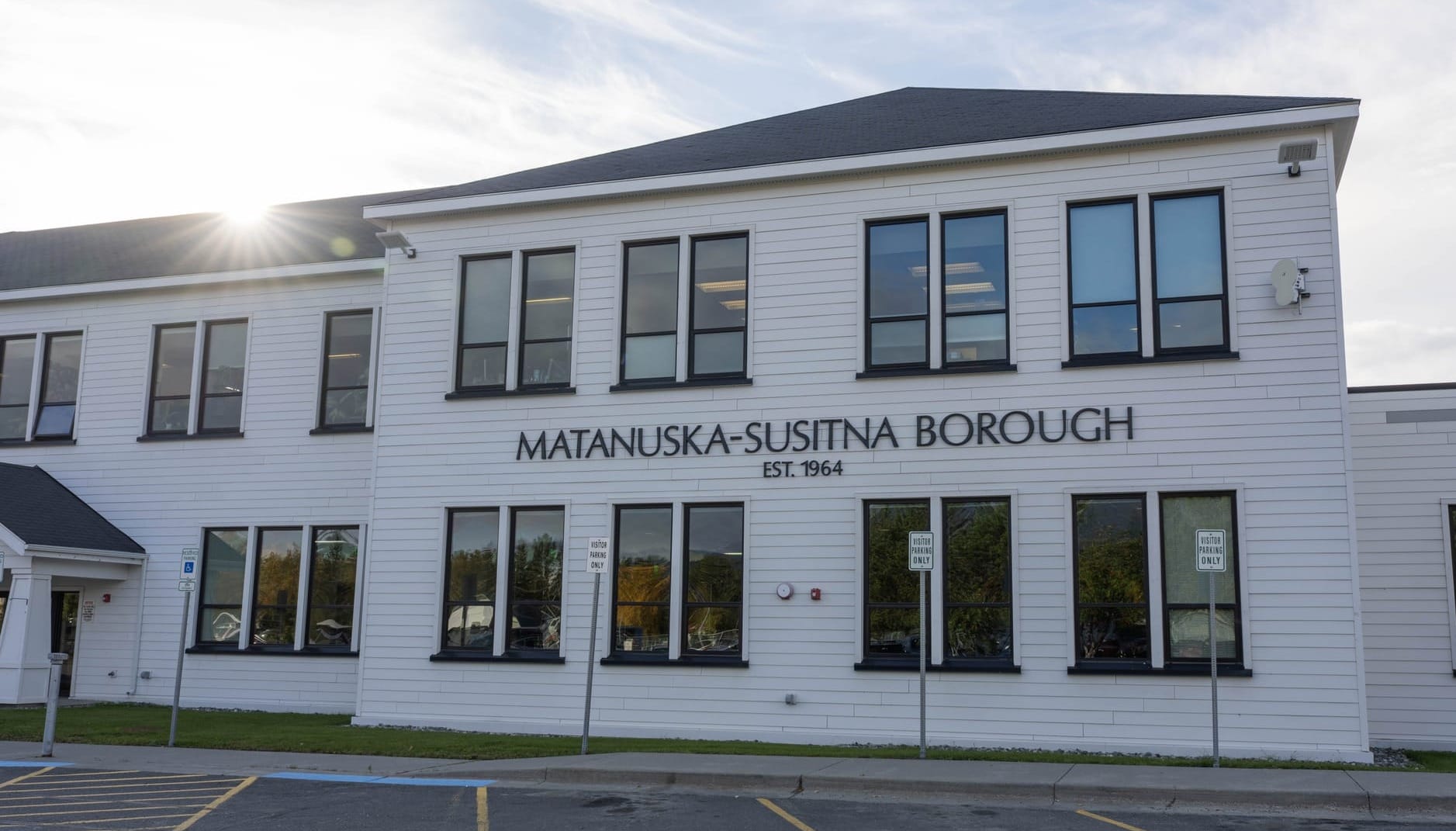
What you need to know: Election volunteers incorrectly reported vote totals this month in two Mat-Su Borough precincts. Canvass boards found and corrected the errors during their review of the Nov. 3 election results. The errors affected vote tallies for three borough propositions, but none would have changed the outcomes. The Mat-Su Assembly unanimously certified the results. Election officials also found 17 instances of missing voter signatures and nine people who voted twice. Only one ballot per voter was counted, and officials attributed the irregularities to human error rather than fraud. Short on time but need the local news scoop? Get free weekly news in your inbox for Mat-Su, from Mat-Su. PALMER — Hand-count volunteers in two Mat-Su precincts incorrectly reported hundreds of votes during the borough’s Nov. 3 election, officials said this week.
This excerpt comes from the named source. Read the original for the full reporting.
Read the original at Mat-Su Valley Frontiersman


