Local
Harambe was killed a decade ago at the same zoo as Fiona
A Roundtable is a way to meet new people and discuss this article in person at a local coffee shop or other venue.
Roundtables are designed for groups of four, with a shared subject and room for everyone to speak. Come for discussion, with no dating expectation.
Source: The Seattle Times
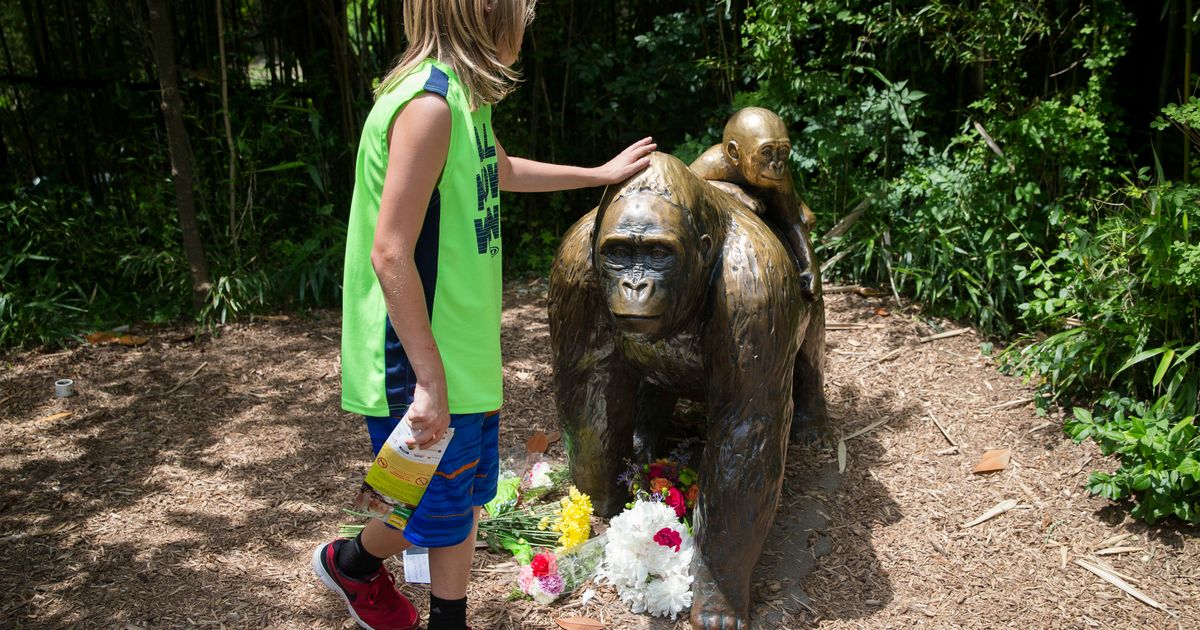
By The Associated Press The Associated Press CINCINNATI (AP) — Months of international backlash cast a shadow over the Cincinnati Zoo after workers decided to fatally shoot a beloved endangered gorilla named Harambe in response to a little boy falling into his exhibit in 2016.That outrage faded with the premature birth of an adorable hippo named Fiona, this time bringing worldwide positive attention for the reeling zoo. The zoo shared her miraculous survival in videos and blog posts. They showed her taking a bottle, splashing in a pool and learning to run. She helped restore the zoo’s image.But a decade later, the zoo has found itself in a similarly tragic situation. This time, with Fiona, who died Thursday after eating a visitor’s hat.“Despite multiple attempts to move the hat out of her system, it was ultimately too much to overcome,” the zoo said. Widespread mourning quickly started.
This excerpt comes from the named source. Read the original for the full reporting.
Read the original at The Seattle Times