Local
Harold R. Berberich
A Roundtable is a way to meet new people and discuss this article in person at a local coffee shop or other venue.
Roundtables are designed for groups of four, with a shared subject and room for everyone to speak. Come for discussion, with no dating expectation.
Source: Coulee Cremation
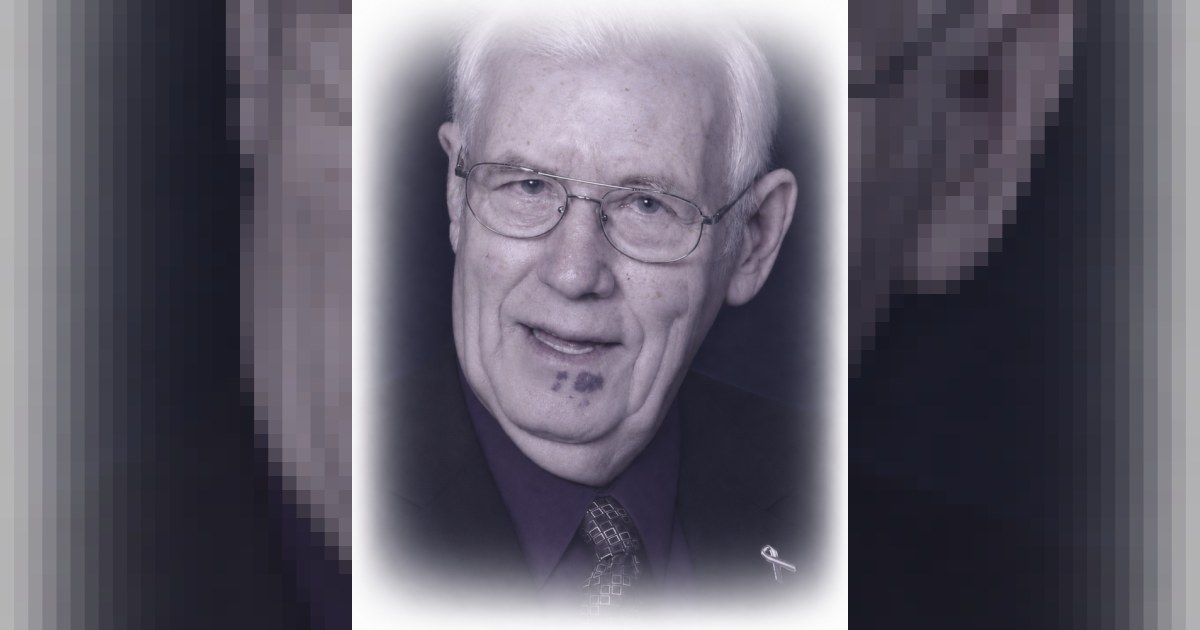
November 17, 2026 | Harold R. Berberich, 90, of Onalaska, Wisconsin, passed away on Saturday, November 14, 2026, at his home. Harold was born to Elroy and Anola (Thomas) Berberich in Grant County, Wisconsin, on April 17, 1936. He married Shirley A. Kozelka in Prairie du Chien, Wisconsin in 1967. Harold joined the Wisconsin National Guard when he was 17 and spent 38 years working at Unit 229 in Prairie du Chien, Fort McCoy and Camp Douglas. Harold is survived by his wife, Shirley, three sons, Kevin (Marlene) of Holmen, WI, Kurt (Jodi) of Milton, WI, and Kraig (Kim Stendalen) of Onalaska, along with 4 grandchildren and 5 great grandchildren and many nieces and nephews. He was preceded in death by his infant daughter, his parents, his parents-in-law, brother-in-law, Joseph Kozelka, sisters Anna Mae Lessard, Wilma Gardener, Ruth Heike, and a brother Royce Berberich. A memorial service will be held at 11:30 a.m.
This excerpt comes from the named source. Read the original for the full reporting.
Read the original at Coulee Cremation