Local
Hermantown chamber shines spotlight on local film industry
A Roundtable is a way to meet new people and discuss this article in person at a local coffee shop or other venue.
Roundtables are designed for groups of four, with a shared subject and room for everyone to speak. Come for discussion, with no dating expectation.
Source: Duluth News Tribune
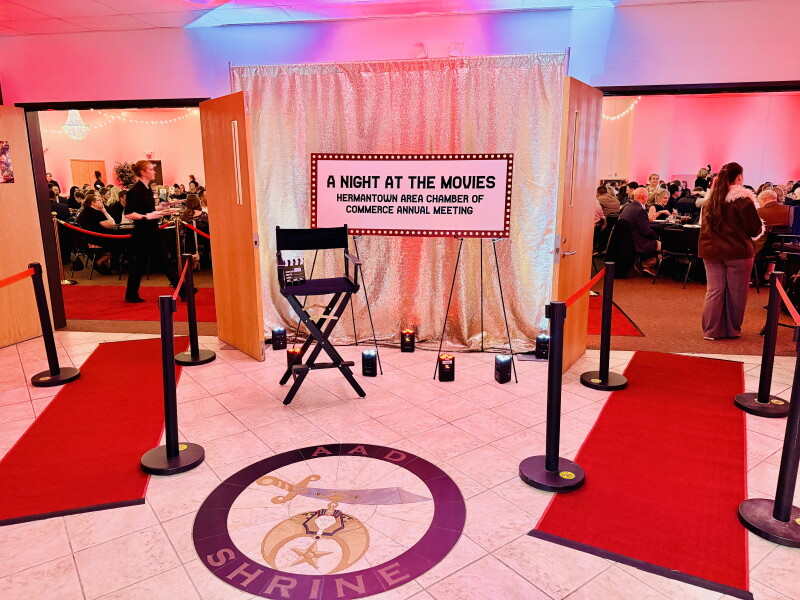
HERMANTOWN — The Hermantown Chamber of Commerce put the local film industry in the spotlight during its 46th annual meeting, at AAD Shrine on Thursday evening. Shari Marshik, executive director and co-founder of the Upper Midwest Film Office, served as the keynote speaker, and provided attendees with a peek behind the curtain at how filmmaking is impacting local economics. Marshik, who has 25 years experience in business and holds an MBA from the University of Minnesota Duluth, also serves as the president of the board of directors for the Minnesota Film Alliance, as well as on the Duluth Public Arts Commission. Under her leadership, the Upper Midwest Film Office has helped drive more than $12 million in direct economic spending to strengthen the regional film industry. The Upper Midwest Film Office attracts productions through incentives, and also helps develop local crews.
This excerpt comes from the named source. Read the original for the full reporting.
Read the original at Duluth News Tribune


