Local
Highmore woman dies in vehicle versus pedestrian crash
A Roundtable is a way to meet new people and discuss this article in person at a local coffee shop or other venue.
Roundtables are designed for groups of four, with a shared subject and room for everyone to speak. Come for discussion, with no dating expectation.
Source: Daily Republic
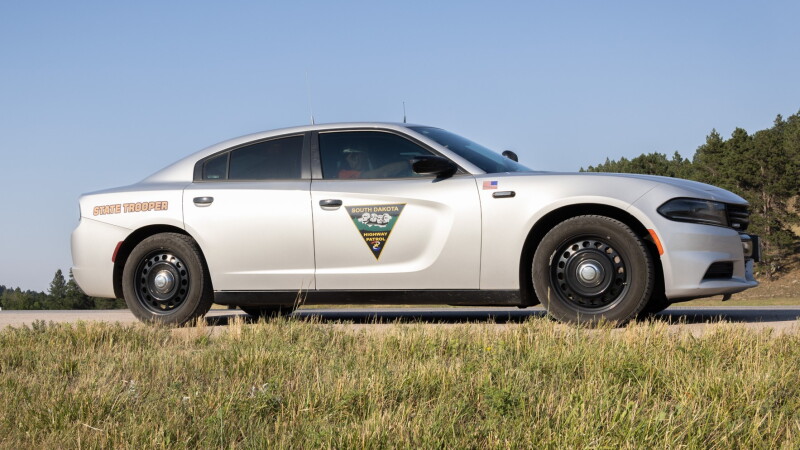
HIGHMORE, S.D. – A woman died Wednesday from injuries sustained during a vehicle versus pedestrian crash in Highmore on Tuesday, Nov. 17. Names of the people involved have not been released pending notification of family members. According to the South Dakota Department of Public Safety, preliminary crash information indicates the driver of a 2013 Ford F-150, a 51 year-old male from Highmore, was traveling southbound on Iowa Avenue near the intersection of 3rd Street. The driver did not see a pedestrian crossing the road and struck her. The woman, a 74-year-old from Highmore, was transported to a Miller hospital with life threatening injuries. She died on Wednesday, Nov. 18. The driver of the Ford, who was wearing a seat belt, was not injured. The crash occurred at approximately 6:15 p.m. Tuesday, Nov. 17 inside Highmore city limits. The investigation is ongoing. All information released is preliminary.
This excerpt comes from the named source. Read the original for the full reporting.
Read the original at Daily Republic