Local
Homecoming: More than a Game
Meet in Common connects news with real conversations. Use ThinkMatch to arrange a Roundtable and meet people to discuss this story.
Source: The Stuyvesant Spectator
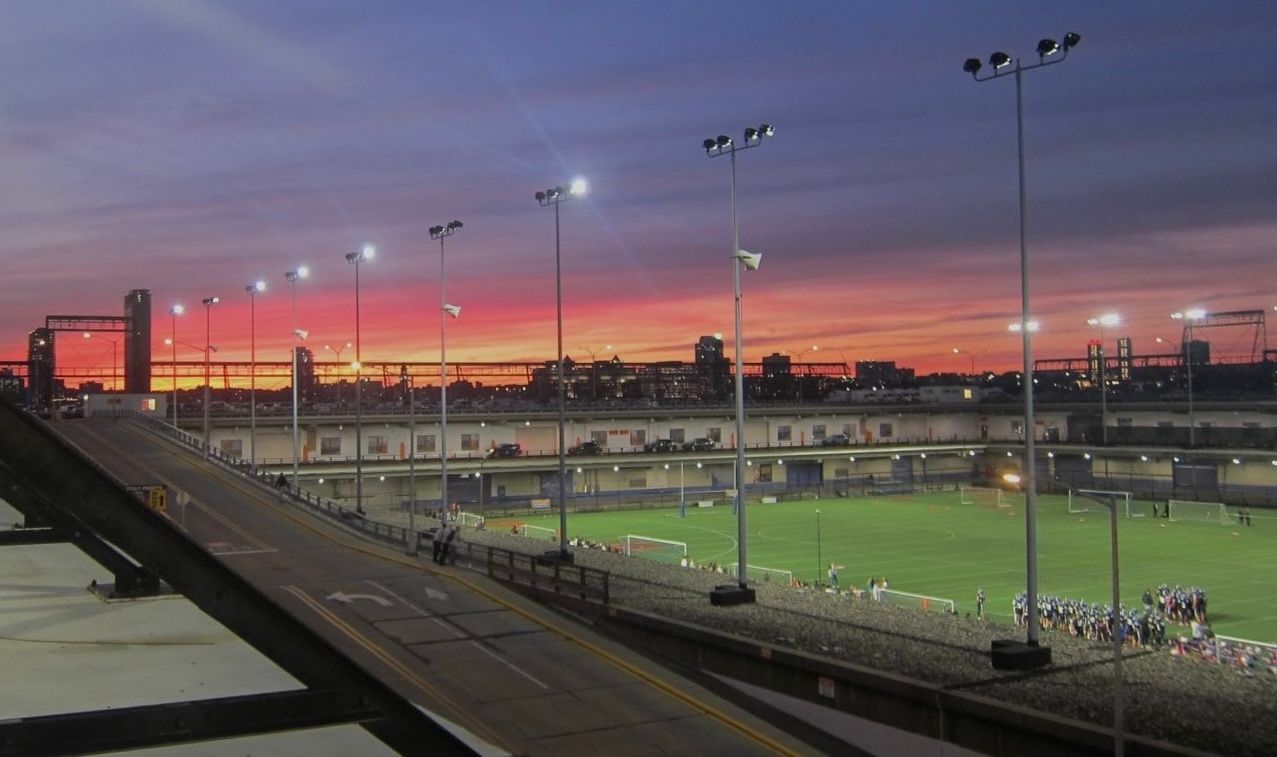
FeaturesHomecoming: More than a GameHomecoming is much more than an event; it’s an experience that unifies Stuyvesant in unique ways.Reading Time: 6 minutesBy Nathan LeeIssue 5, Volume 117 || 2026-2027By Nathan Lee As the sun takes its final strides towards the horizon, it doesn’t leave the moon alone in the sky; surrounding the moon are towering white lights that illuminate the turf field. On the field, two football teams face off: one in all black, the other in all white. Cheerleaders in red, white, and blue tumble through the brisk autumn air. There are no bleachers; instead, fans watch from behind makeshift soccer goal barriers, which separate the sideline from the viewing area. Amongst these fans are parents, teachers, alumni, and students of all grades. One could be forgiven for not coming to distant Pier 40 on the Hudson River on a rainy Friday night.
This excerpt comes from the named source. Read the original for the full reporting.
Read the original at The Stuyvesant Spectator


