Local
Homicide Defendant Sentenced to Life for Previous Cases Heads to Retrial
A Roundtable is a way to meet new people and discuss this article in person at a local coffee shop or other venue.
Roundtables are designed for groups of four, with a shared subject and room for everyone to speak. Come for discussion, with no dating expectation.
Source: Baltimore Witness
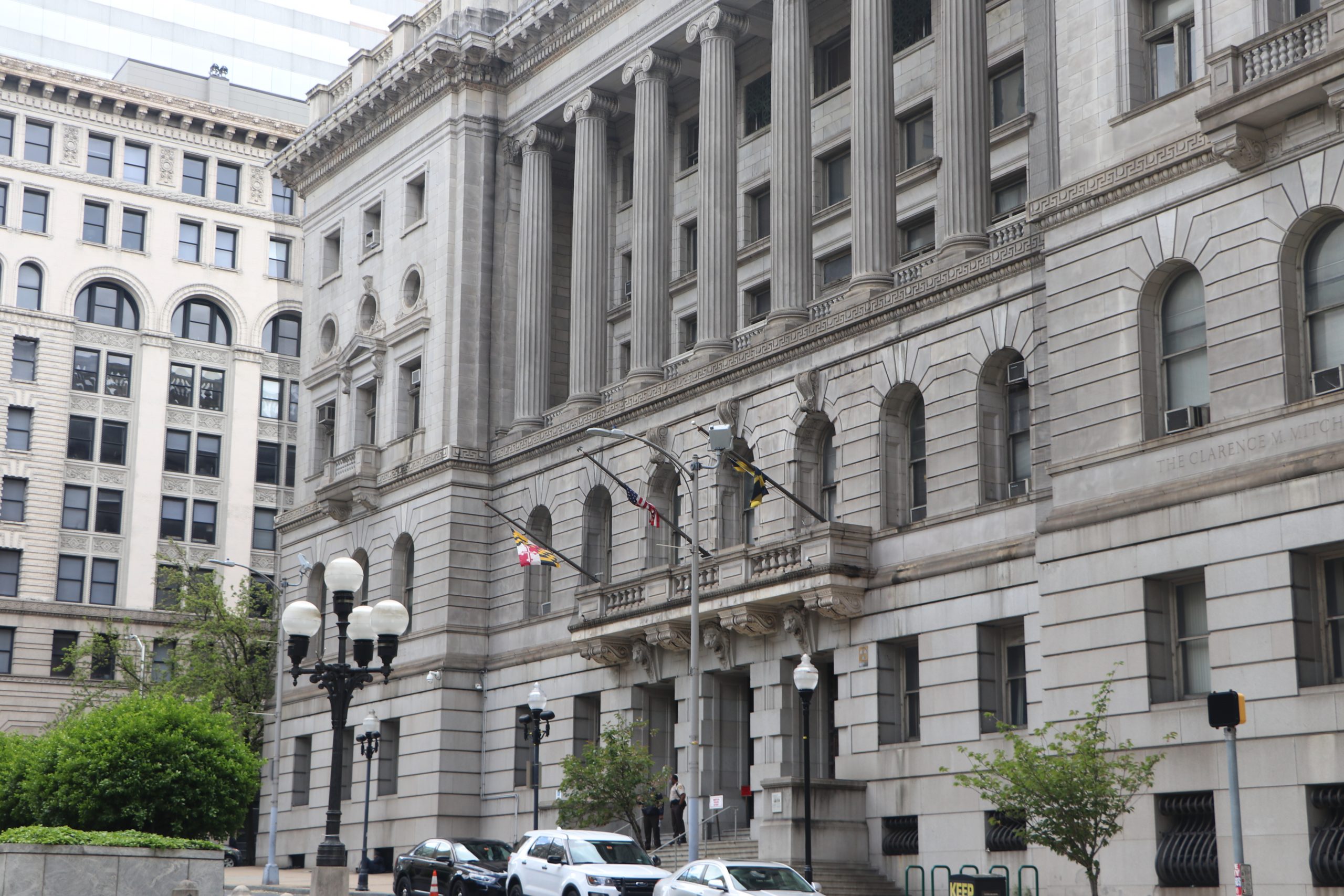
A defendant originally sentenced to life in prison plus 15 years was set for a pretrial hearing by Baltimore City Circuit Court Judge Melissa M. Phinn on Nov. 20. On Aug. 24, 2024 Ameer Gittens, 30, was convicted of first-degree murder and possession of a firearm with a felony conviction for killing 20-year-old Antwan Andrews. The incident occurred outside his car on the 3500 block of Leeds Street on Oct. 31, 2021. Gittens acted with a co-conspirator. During sentencing on Nov. 18, 2024, defense attorney James Sweeting III, asked for a retrial because the jury only reached a partial verdict. Gittens was found guilty of first-degree murder, but not firing a handgun. The prosecution said knowing the shooter’s identity wasn’t relevant to assigning responsibility for the crime. According to a police report, when Gittens was arrested he had a Polymer 80 9mm handgun which was said to be the same weapon that fired three shell casings found at the scene.
This excerpt comes from the named source. Read the original for the full reporting.
Read the original at Baltimore Witness


