Local
Hopkins: Giving and thanks
A Roundtable is a way to meet new people and discuss this article in person at a local coffee shop or other venue.
Roundtables are designed for groups of four, with a shared subject and room for everyone to speak. Come for discussion, with no dating expectation.
Source: The Marshall News Messenger
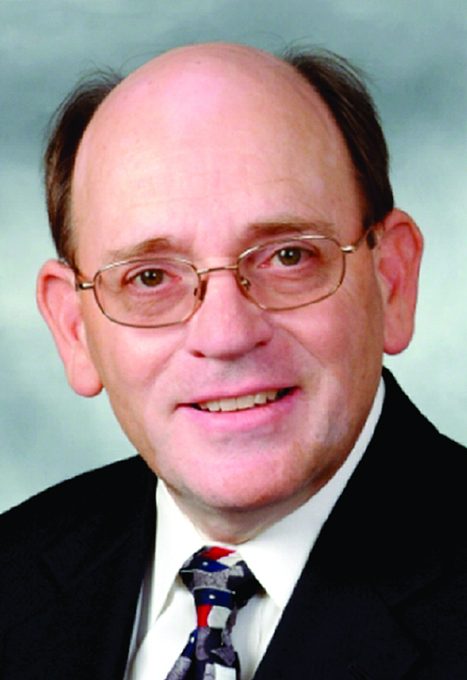
Tomorrow is Thanksgiving. There are so many things associated with this wonderful event — family and friends gathering to feast and share about life’s blessings and bounties. There isn’t anything wrong with these traditional things, but there is much more to be found in the two things defining that term — giving and thanks. Counting blessings is an ancient method of celebrating thanksgiving. It is always a legitimate way of responding on this special occasion. Each one of us should take some time to list our many blessings and thereby express our gratitude to God. I’ve thought about all the family, friends, associates, fellow workers and other companions who have joined me in my life journey. I’m grateful most of all for God’s grace in coming to bring the new birth to those who are “dead in their trespasses and sins” (Ephesians 2:1). At this Thanksgiving time, I would encourage you to read, study and learn what Paul shared about such a practice in 2 Corinthians 9, verses 6-15.
This excerpt comes from the named source. Read the original for the full reporting.
Read the original at The Marshall News Messenger



