Local
Houellebecq Saw This Coming
A Roundtable is a way to meet new people and discuss this article in person at a local coffee shop or other venue.
Roundtables are designed for groups of four, with a shared subject and room for everyone to speak. Come for discussion, with no dating expectation.
Source: Compact
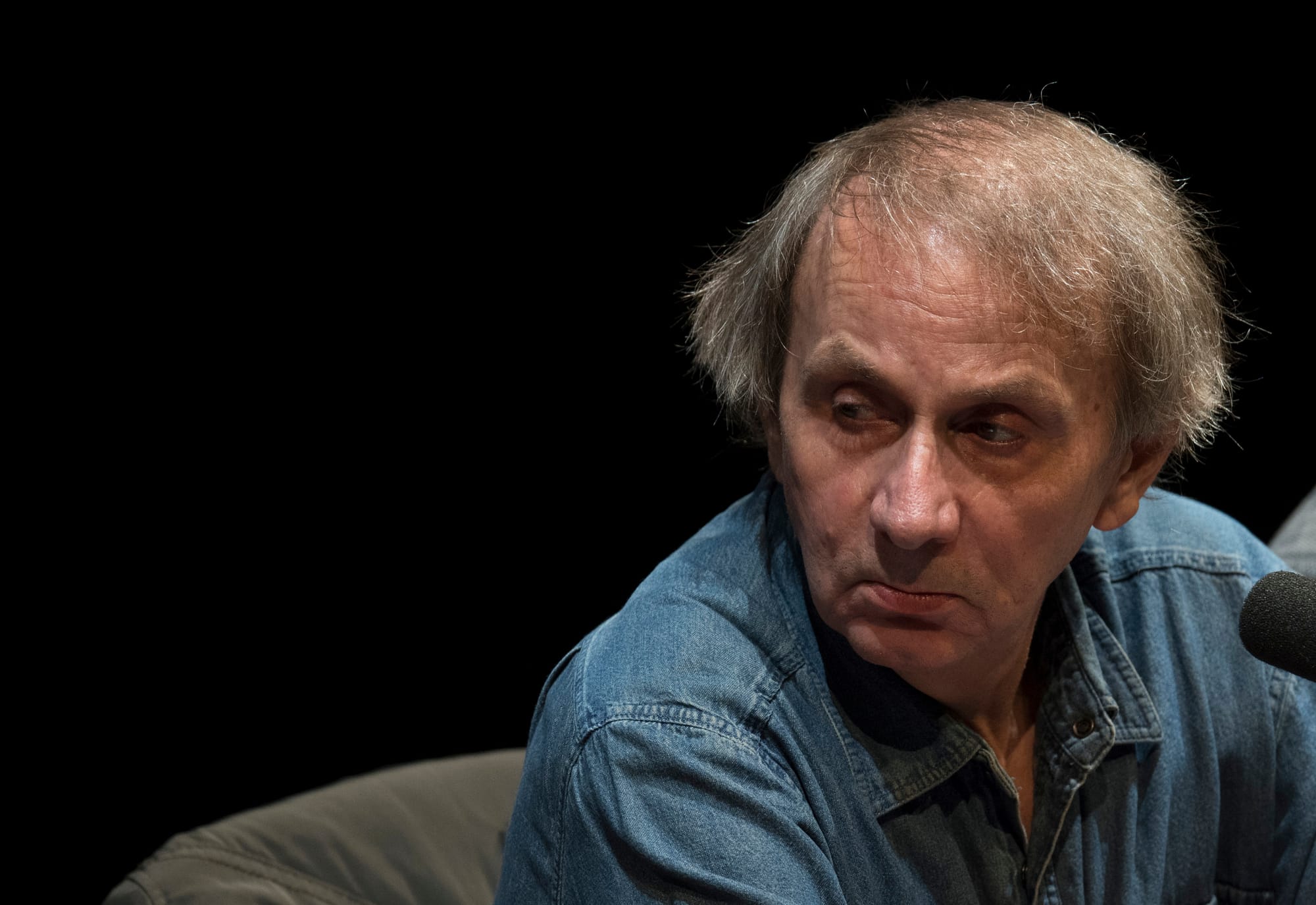
Michel Houellebecq’s novels are our age’s most profound and devastating studies in what it means to be godless. Pascal wrote that “nothing more surely underlines an extreme weakness of mind than the failure to understand the unhappiness of someone without God.” Houellebecq’s body of work is, in some sense, simply the working out in fiction of this observation. The godlessness he depicts is not only personal and social but (as explored in Submission) political and civilizational as well. Considerations like these make what is now happening to Houellebecq feel all the more revealing. The author is accused of making statements liable to “incite racial and religious hatred,” a crime under French law, for claiming in a 2022 interview that native Frenchmen were arming themselves to resist the future Muslim domination of France.
This excerpt comes from the named source. Read the original for the full reporting.
Read the original at Compact