Local
Houston leaps 7 spots to No. 1 in AP Top 25 men’s poll, Duke and Michigan State drop out of top 10
A Roundtable is a way to meet new people and discuss this article in person at a local coffee shop or other venue.
Roundtables are designed for groups of four, with a shared subject and room for everyone to speak. Come for discussion, with no dating expectation.
Source: The Alpena News
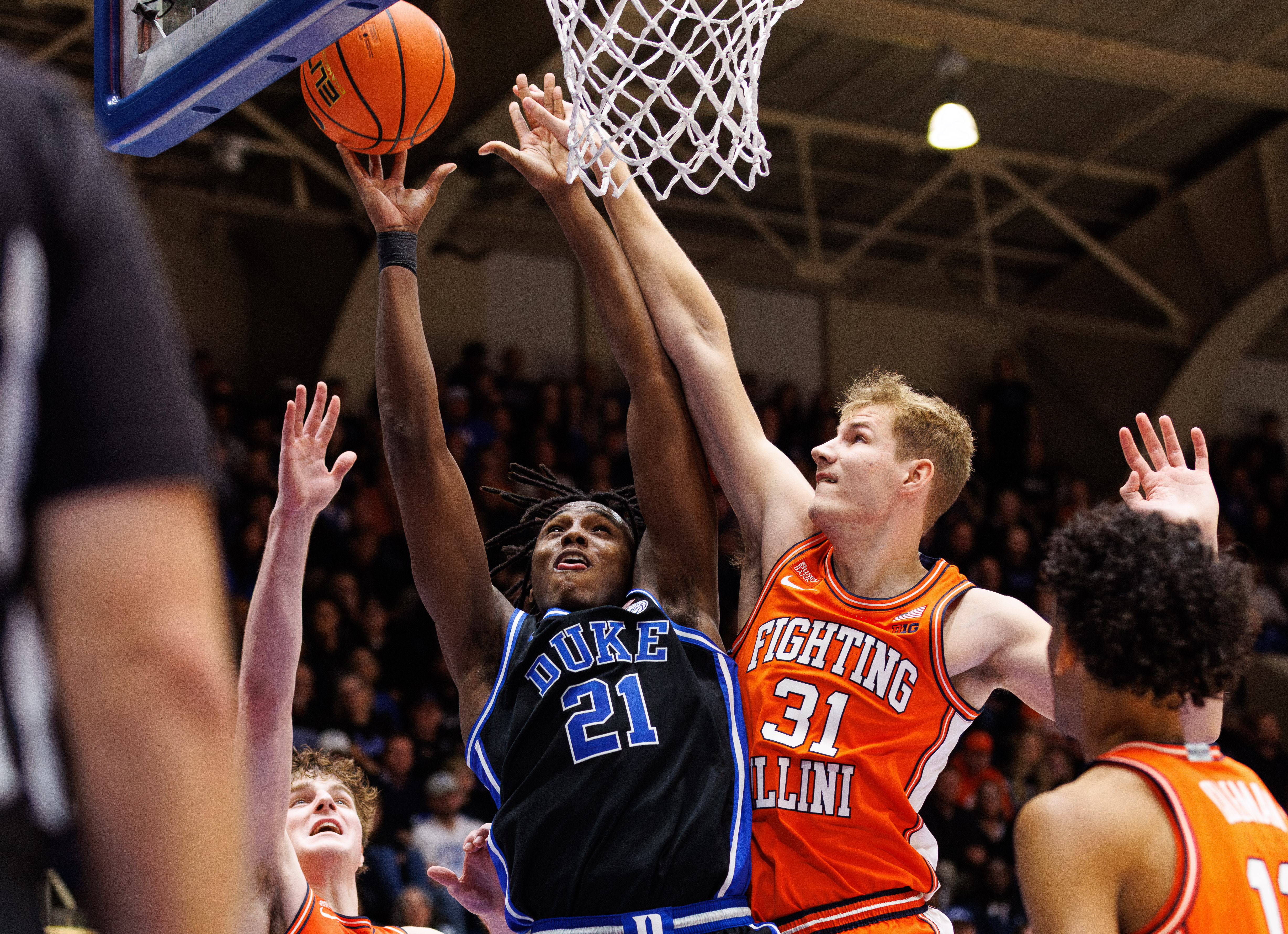
Houston jumped to No. 1 in the AP Top 25 men’s college basketball poll on Monday after a pair of marquee wins, Michigan State and Duke dropped out of the top 10 and defending national champion Michigan dropped out entirely in a major shakeup of the rankings. The Cougars climbed seven spots to the top spot after winning three times in as many days to win the Players Era 8 tournament championship in Las Vegas. That run included taking down then-No. 1 Florida in the semifinals, then beating then-No. 11 Kansas in a title matchup of Big 12 foes. Houston (6-0) received 55 of 59 first-place votes to snatch the top spot over Virginia after a week that saw four of the top five teams lose. It marks Houston’s 12th week at No. 1 under 13th-year coach Kelvin Sampson, surpassing program’s total number (11) in its history before his arrival for the 2014-15 season.
This excerpt comes from the named source. Read the original for the full reporting.
Read the original at The Alpena News


