Local
How an idea became a Toronto Thanksgiving tradition
A Roundtable is a way to meet new people and discuss this article in person at a local coffee shop or other venue.
Roundtables are designed for groups of four, with a shared subject and room for everyone to speak. Come for discussion, with no dating expectation.
Source: Herald-Star
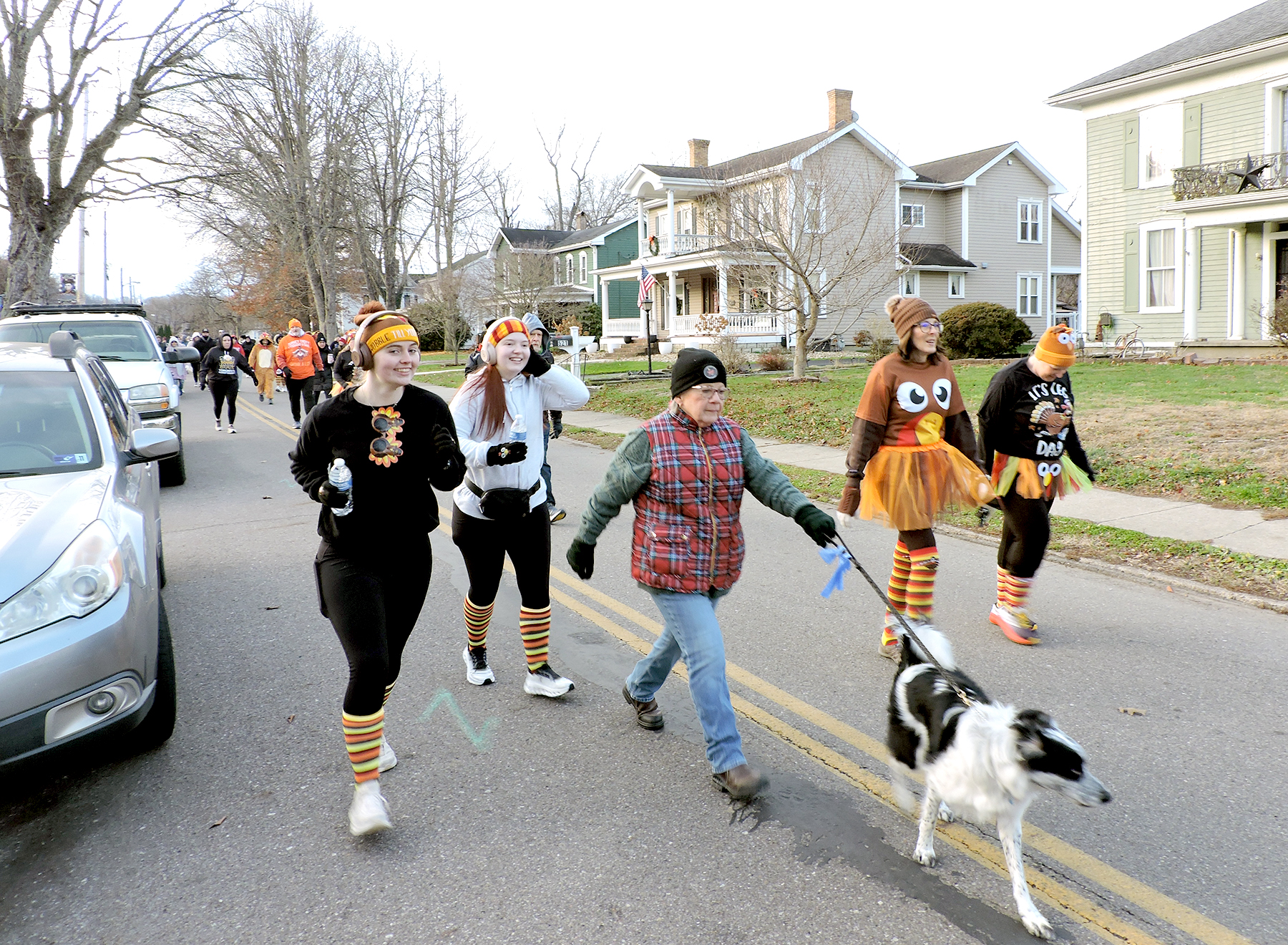
TORONTO, Oh. — What began as just a thought more than a decade ago has grown into a Thanksgiving Day tradition in Toronto, helping residents of the community in need. “I started this race 11 years ago on a whim,” explained Amanda Yazbek. “I said that we didn’t have a Thanksgiving Day race or any sort of Thanksgiving races in town and we should do one.” The T-Town Turkey Trot has grown from a just a handful of participants to more than 130, and has helped to raise thousands of dollars for the Helping Hands Food Pantry. “I advertised it on my Facebook, and I had six people come, and they donated $200, and so we donated it to the food pantry,” Yazbek said. “The next year, we did it again and we got 12 people. Then we kind of formalized it when we moved to River Avenue in 2017.” The 11th-annual T-Town Turkey Trot will be a 5K, like a lot of running and walking events held throughout the region each year.
This excerpt comes from the named source. Read the original for the full reporting.
Read the original at Herald-Star