Local
How Celebrity Memoirs Became Bestsellers, Explained: Ghostwriters, Audiobooks, and the Cover Story Economy
Meet in Common connects news with real conversations. Use ThinkMatch to arrange a Roundtable and meet people to discuss this story.
Source: Red Orb News
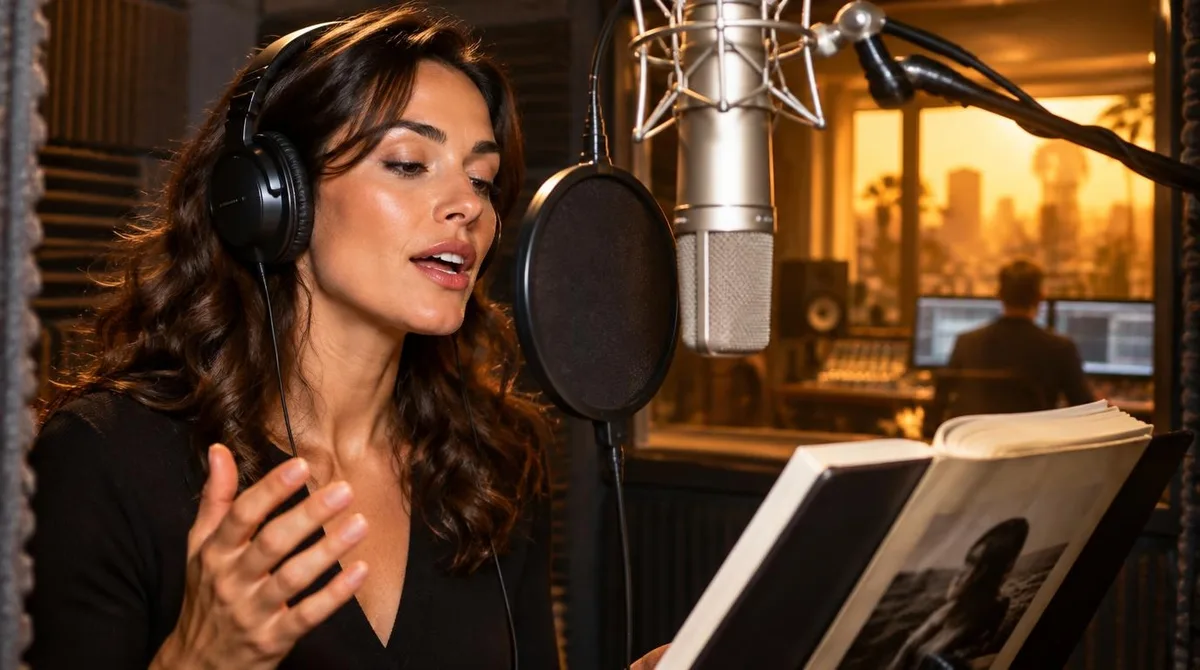
A celebrity memoir becomes a bestseller the same way a blockbuster becomes a blockbuster: a famous name sits on the cover, a proven team builds the product behind it, and the finished book is sold through every channel a publisher controls. The most important channel right now is audio. A star reading their own cover story into a microphone turns a book into a performance, and that performance is often what pushes a memoir onto bestseller lists. This explainer walks through the machinery. Who actually writes these books, why the audiobook version matters so much, and why the celebrity memoir as a format has roots far older than the current boom. The short version: fame has always been a business, and the memoir is one of its most reliable products. It helps to start with what celebrity itself is.
This excerpt comes from the named source. Read the original for the full reporting.
Read the original at Red Orb News