Local
How Church-owned camps, new and old, are strengthening youth
Meet in Common connects news with real conversations. Use ThinkMatch to arrange a Roundtable and meet people to discuss this story.
Roundtables are designed for groups of four, with a shared subject and room for everyone to speak. Come for discussion, with no dating expectation.
Source: Church News
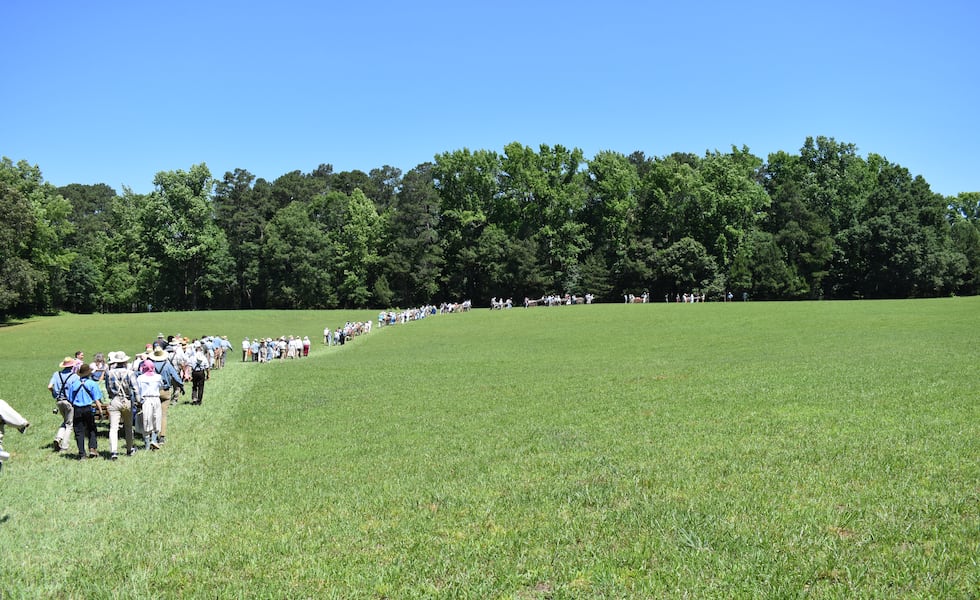
Every four years for more than two decades, the Cartersville Georgia Stake of The Church of Jesus Christ of Latter-day Saints held a youth pioneer trek reenactment at a state park in the southern Appalachian Mountains. About 90 days before this year’s scheduled trek in June, the state park canceled the stake’s reservation and said the state park would no longer accommodate the Church’s activity. Stake leaders were left scrambling to find another location on short notice. Meanwhile, a new Church-owned camp for youth called Shipp Family Recreation Camp — the first of its kind in Georgia — was preparing to open. Through a series of what were seen as divinely guided events, Shipp camp became ready in time to host the Cartersville stake’s trek — and the trek experience was “overwhelmingly positive,” said President Kevin Ballard, first counselor in the Cartersville Georgia Stake presidency.
This excerpt comes from the named source. Read the original for the full reporting.
Read the original at Church News