Local
How Film Scores Manipulate Your Emotions, Explained
Meet in Common connects news with real conversations. Use ThinkMatch to arrange a Roundtable and meet people to discuss this story.
Source: Red Orb News
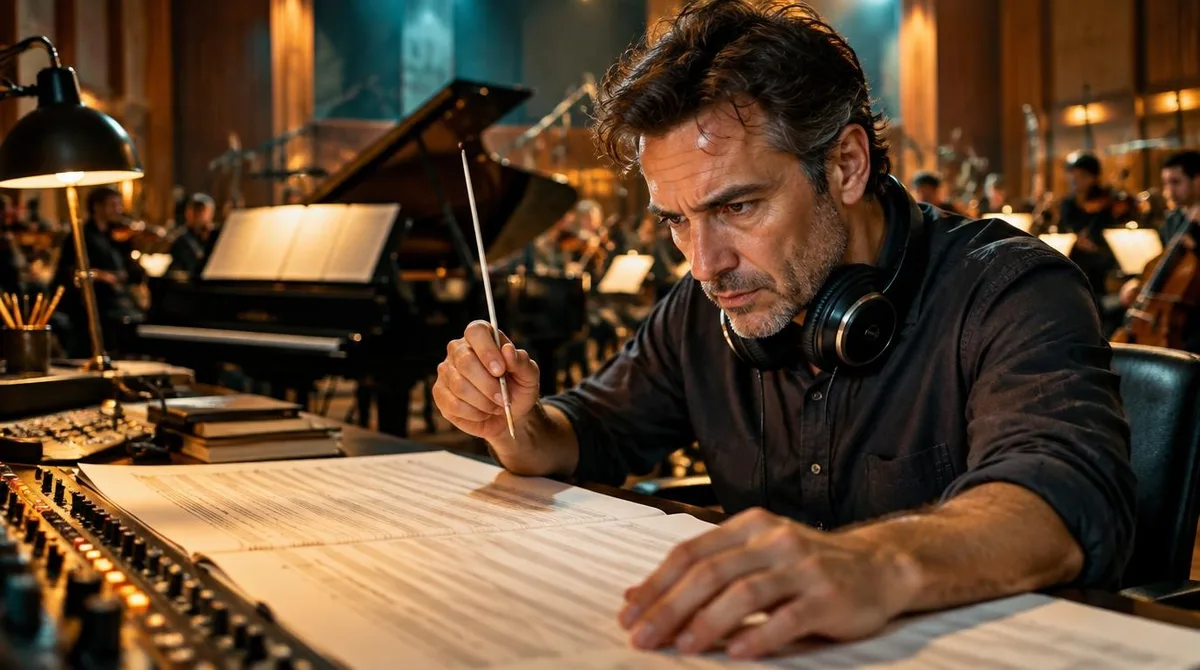
A film score is a set of instructions for your feelings. Long before a character cries, the music has usually told you the tears are coming. That is not an accident. It is craft, and it follows rules composers have refined for more than a century. It works because film is built to move you. As Wikipedia's overview of film puts it, a movie is a work of visual art that communicates ideas, stories, perceptions, emotions, and atmosphere through moving images — and music is one of the most direct routes to that atmosphere. You can close your eyes during a dialogue scene and still follow the emotional plot. That is the score doing its job. This piece walks through the main tricks: tempo, key, leitmotif, instrumentation, silence, and the way music steers your attention. None of it requires a music degree to understand. All of it changes what you notice the next time you watch a film. Why does music hit faster than images do?
This excerpt comes from the named source. Read the original for the full reporting.
Read the original at Red Orb News