Local
How Future Lunar Colonists Can Farm Potatoes on the Moon - Nautilus
A Roundtable is a way to meet new people and discuss this article in person at a local coffee shop or other venue.
Roundtables are designed for groups of four, with a shared subject and room for everyone to speak. Come for discussion, with no dating expectation.
Source: Nautilus | Science Connected
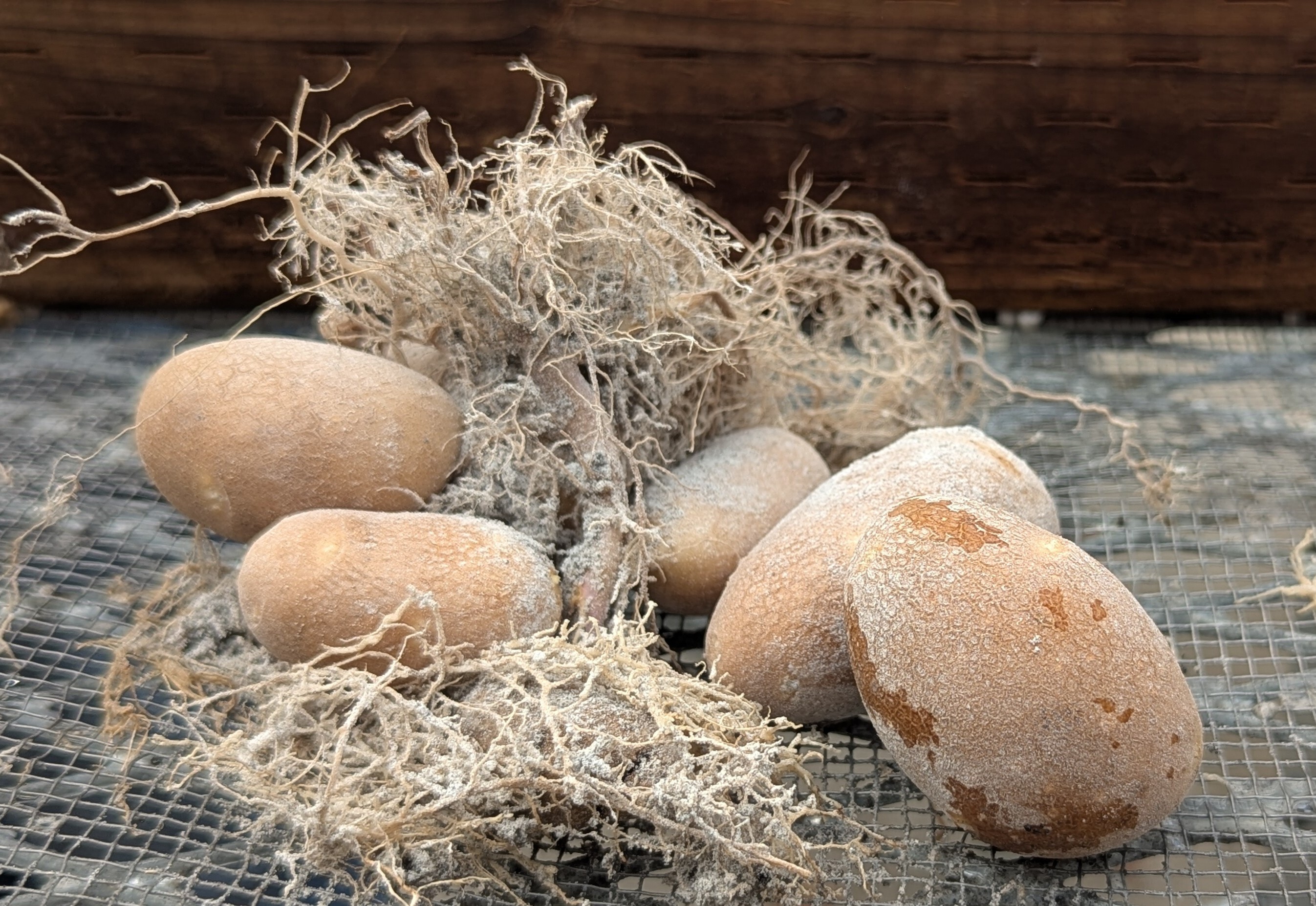
In the movie The Martian, Matt Damon’s character (botanist Mark Watley) finds himself stranded on Mars. With any rescue months away and food supplies dwindling, he decides to do what he does best—grow some plants. Watley mixes the Martian soil with fertilizer provided by the crew’s waste and plants potatoes. It’s a good plan (spoiler alert: it worked). Potatoes are both nutritionally dense and provide a high number of calories per unit of land (they’re also versatile and delicious). According to a new study published in npj Microgravity, they may even be able to feed future lunar colonists. Read more: “How Potatoes Shaped the Genes of the First People to Grow Them” To establish a baseline for best lunar farming practices, a team of botanists from Oregon State University relied on simulated moon soil, or regolith. Unlike the living soil here on Earth, moon dirt isn’t exactly conducive to plant growth—it’s nutrient-poor and contains higher levels of toxic heavy metals.
This excerpt comes from the named source. Read the original for the full reporting.
Read the original at Nautilus | Science Connected