Local
How Jon Ossoff and Mike Collins Battled in Georgia
A Roundtable is a way to meet new people and discuss this article in person at a local coffee shop or other venue.
Roundtables are designed for groups of four, with a shared subject and room for everyone to speak. Come for discussion, with no dating expectation.
Source: VOX
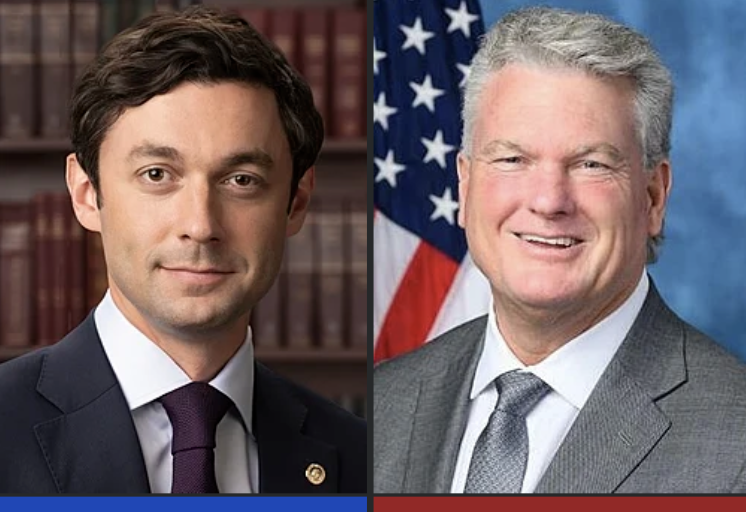
Jon Ossoff’s 2026 reelection victory in Georgia was the triumph of one distinct style of campaigning over another. Across months of dueling airwaves and social feeds, Ossoff’s polished, pocketbook-focused messaging strategically outmaneuvered Republican Mike Collins’s insurgent, culture-war-heavy ad blitz, offering a clear blueprint for winning in a battleground state. According to his campaign website, Ossoff, who worked as an investigative journalist and documentary filmmaker before entering politics, ran a polished, traditional media operation built to win over a broad mix of voters across the state. His campaign spent millions on classic TV commercials and major streaming platforms, using mini-documentary-style ads that framed him as an independent watchdog holding big corporations and government leaders accountable.
This excerpt comes from the named source. Read the original for the full reporting.
Read the original at VOX