Local
How local newspapers build their obituary pages, and why they matter
Meet in Common connects news with real conversations. Use ThinkMatch to arrange a Roundtable and meet people to discuss this story.
Source: Rockland Review News
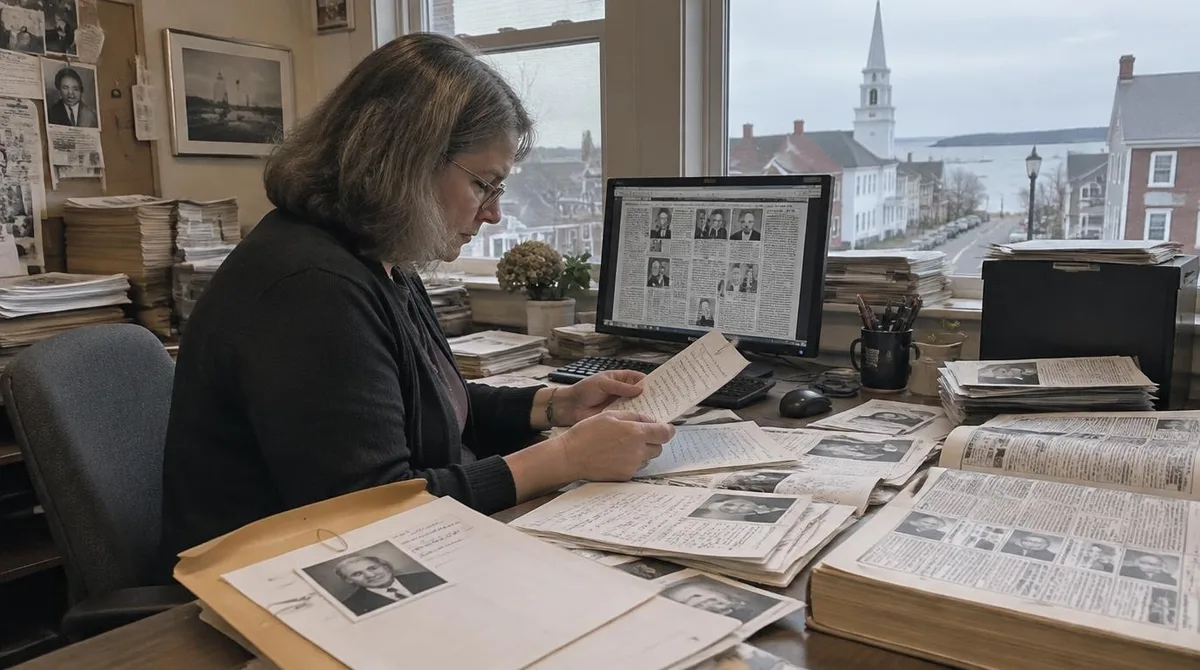
The obituary page is one of the last places a whole community appears in print together. The notices are written by families, gathered by funeral homes, and compiled by a newspaper's records desk into a running list: who died, when, where, and what their life looked like. What looks like a simple list is actually a small production, and it doubles as a public record that outlives almost everything else a paper publishes. That is why obituaries matter beyond the funeral week. Genealogists, historians, lawyers settling estates, and neighbors checking on someone they knew all rely on them. A death notice published today may be the only dated, public account of a life that exists fifty years from now. Here is how those pages get built, what belongs in a notice, and why the archive behind them is worth protecting. How does an obituary actually get published? The process starts with the family, usually through a funeral home.
This excerpt comes from the named source. Read the original for the full reporting.
Read the original at Rockland Review News