Local
How much you're paying to skip streaming ads
A Roundtable is a way to meet new people and discuss this article in person at a local coffee shop or other venue.
Roundtables are designed for groups of four, with a shared subject and room for everyone to speak. Come for discussion, with no dating expectation.
Source: WyomingNews.com
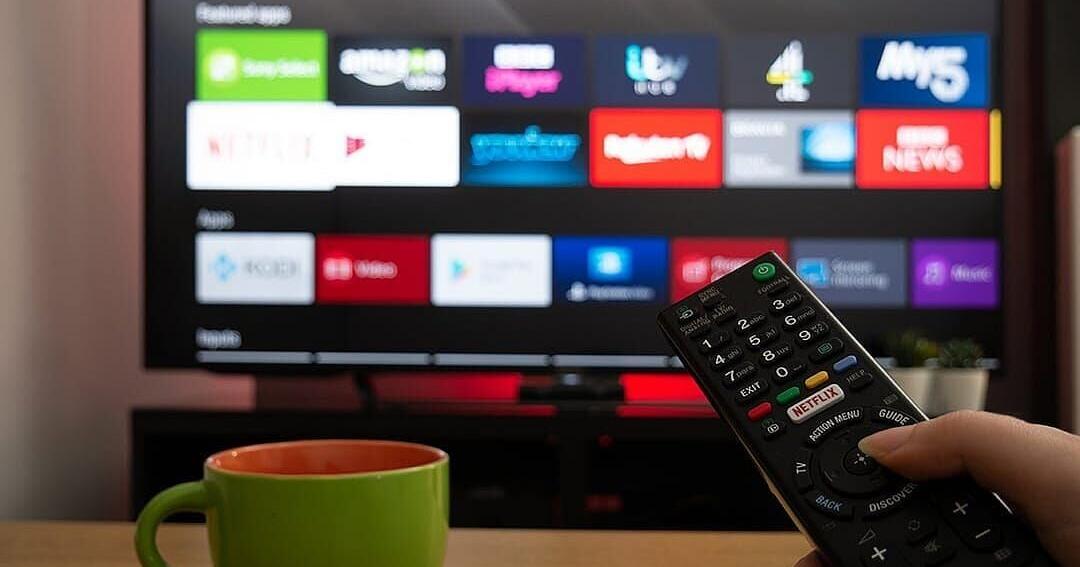
If you have even one streaming subscription, you've probably gotten an email saying it is getting more expensive. You have to decide whether to cancel it, keep paying, or switch to a cheaper plan and start watching commercials.The difference can look small when you're looking at one subscription, but if you're paying for Netflix, Disney+, and Hulu, choosing their ad-supported options instead of their standard ad-free plans can save you $20 a month, or $240 a year, based on current Netflix Standard and Disney+/Hulu bundle prices.You would have to sit through commercial breaks. Depending on the service, you might also lose something else.Below, Floodlight, a programmatic ad solutions provider, examines how much viewers can save with ad-supported streaming plans and what they give up in return.What you're paying to skipNetflix charges $8.99 per month for Standard with ads and $19.99 per month for Standard without ads. Both let you watch on two devices at once.
This excerpt comes from the named source. Read the original for the full reporting.
Read the original at WyomingNews.com