Local
How Nelson Mandela’s Party Lost Its Grip on South Africa
A Roundtable is a way to meet new people and discuss this article in person at a local coffee shop or other venue.
Roundtables are designed for groups of four, with a shared subject and room for everyone to speak. Come for discussion, with no dating expectation.
Source: Atlanta Black Star
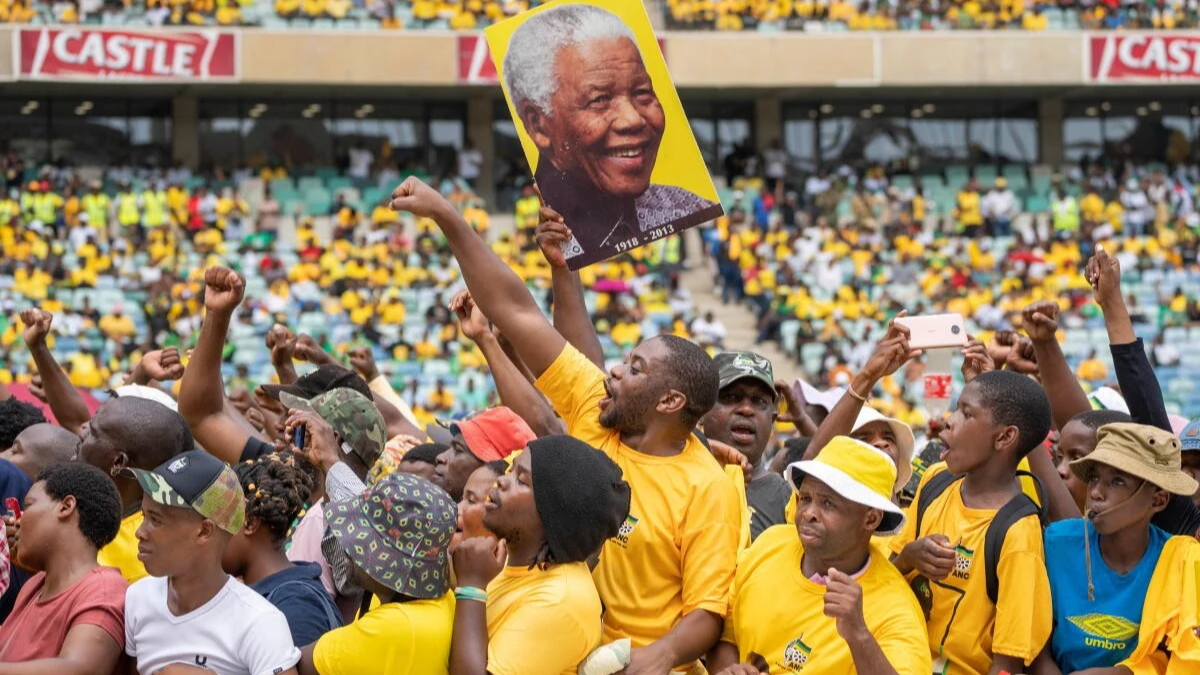
South African political parties were bargaining Friday over who would govern Johannesburg and Tshwane, the municipality that includes Pretoria, after voters handed the African National Congress its worst result in local elections. The Democratic Alliance finished ahead of the ANC in both municipalities, but neither party secured a council majority, according to The Associated Press. That gives smaller parties considerable influence over coalition negotiations that will determine who governs two of the country’s most important urban centers. The ANC, once led by Nelson Mandela, remains South Africa’s largest party. Its share of the national municipal-election vote fell nearly 15 percentage points in five years, to 30.76%. The Democratic Alliance received 24.64%, while the uMkhonto weSizwe Party, led by former President Jacob Zuma, finished third with 9.76%.
This excerpt comes from the named source. Read the original for the full reporting.
Read the original at Atlanta Black Star


