Local
How New York Invented the DJ Record Pool: From the 1975 Loft Era to 2026
A Roundtable is a way to meet new people and discuss this article in person at a local coffee shop or other venue.
Roundtables are designed for groups of four, with a shared subject and room for everyone to speak. Come for discussion, with no dating expectation.
Source: Raptology
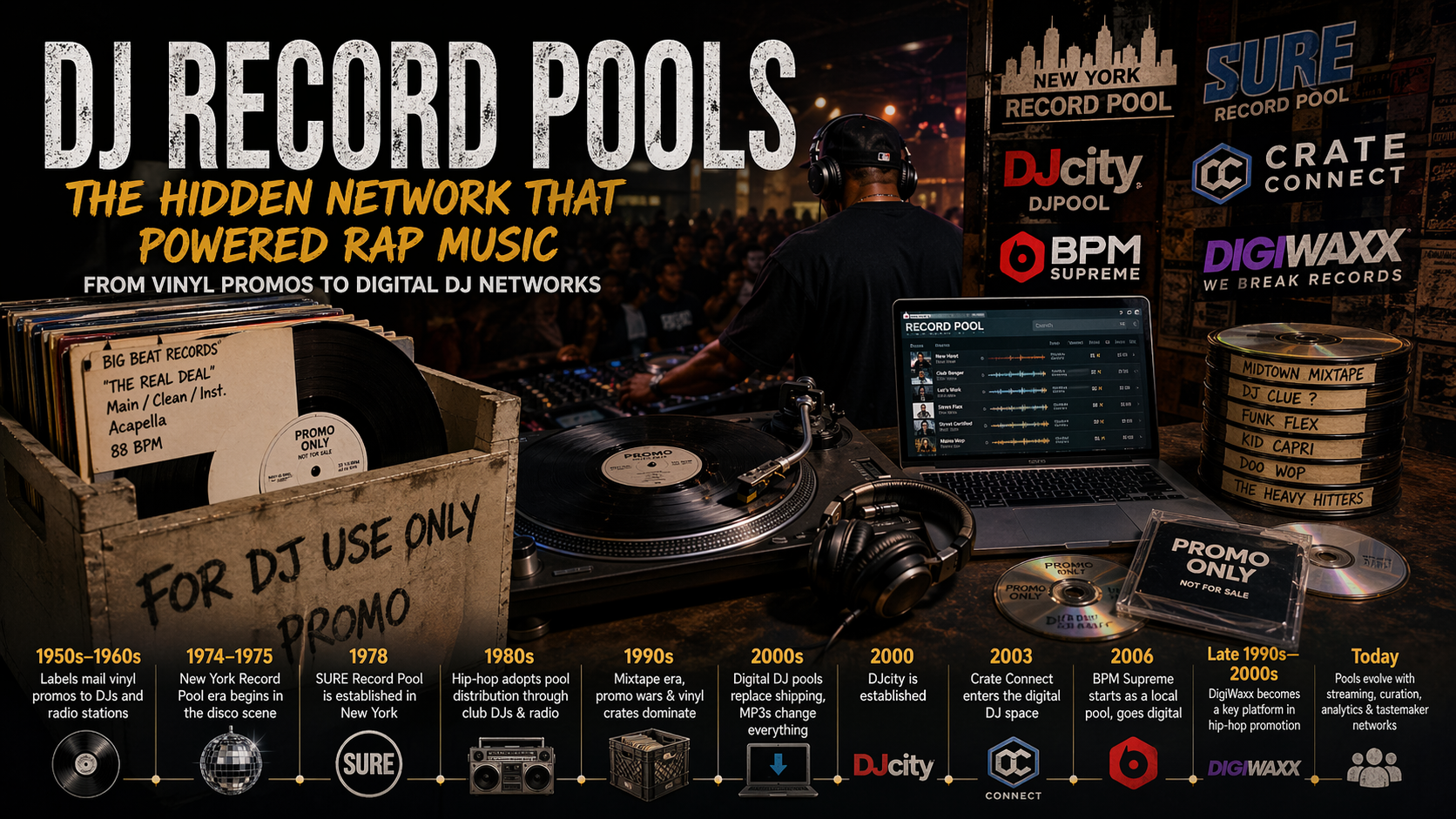
The DJ record pool was born long before anyone could upload an MP3, pitch a playlist or send a link to a thousand tastemakers. In 1975, a group of New York disc jockeys began organizing around a deceptively simple demand: the people who were breaking records in clubs deserved meaningful access to new music. Their experiment linked labels, working DJs and dance floors, then helped establish a promotional model that would later serve disco, house, freestyle and hip-hop. By 2026, the cardboard boxes had largely given way to music libraries and download dashboards. The essential question remained: who gets to hear the record before the public does, and what happens next? This is the New York story, from David Mancuso’s Loft and the first formal pool to the Bronx organizations that helped rap records travel, and from Judy Weinstein’s influential operation to Digiwaxx and the modern DJ platforms.
This excerpt comes from the named source. Read the original for the full reporting.
Read the original at Raptology