Local
How police academy training works, according to federal counts
Meet in Common connects news with real conversations. Use ThinkMatch to arrange a Roundtable and meet people to discuss this story.
Source: Daily Detective News
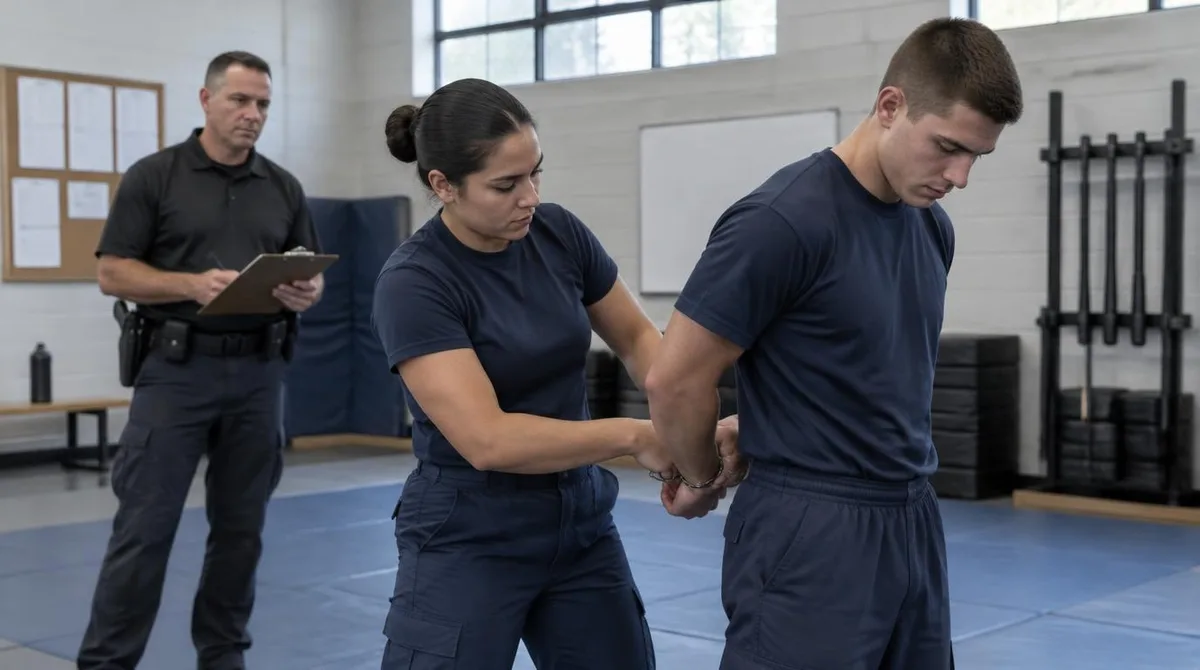
A police academy is a school where new law enforcement officers complete the basic training a state requires before sworn work begins. The federal count put the average requirement at 806 hours in 2022. The same count logged 747 academies training 60,214 recruits, per the Bureau of Justice Statistics. Those figures come from the Census of Law Enforcement Training Academies. The bureau has run the survey on a periodic basis since 2002. It covers academies that provide mandatory basic training for newly appointed officers. It records who runs each school, how long courses last, what they teach, and how many recruits finish. We covered a connected angle in Law enforcement ranks: Who outranks whom, explained. Who runs the academies? Law enforcement entities operated 414 of the academies counted in 2022, per the federal census. Colleges and technical schools operated 333 more. Two-year colleges alone trained 21 percent of starting recruits.
This excerpt comes from the named source. Read the original for the full reporting.
Read the original at Daily Detective News