Local
How Regime Change Agendas Fuel Middle Eastern Strife
Meet in Common connects news with real conversations. Use ThinkMatch to arrange a Roundtable and meet people to discuss this story.
Source: Fair Observer
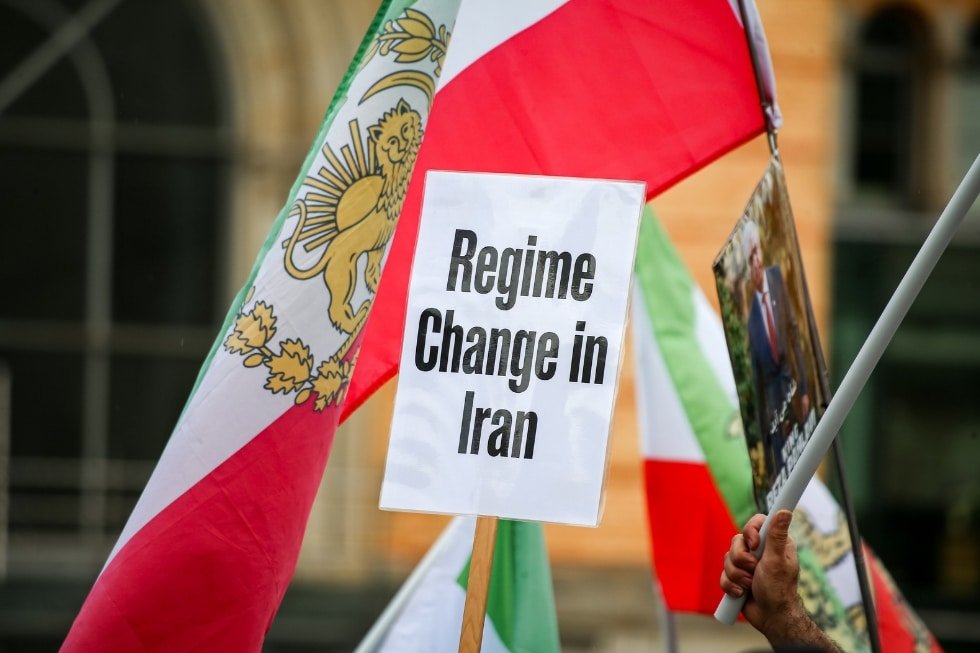
Increasingly, destabilization, if not regime change, has emerged as the subtext of the Middle East’s multiple conflicts. The notion that civil wars, ethnic insurgencies, sectarianism and social unrest can, at least, weaken hostile adversaries, if not produce more friendly regimes, complicates prospects for negotiated solutions and, in some cases, thwarts diplomacy, heightens the risk of prolonged wars and turns disputes into existential conflicts. Middle Eastern governments and external powers, like the United States, did not only recently discover destabilization and regime change as a possible strategy. It’s that notions of destabilization and regime change have moved center stage. Destabilization as a tool of regional power The United States and Israel have for decades gone hot and cold on support for Iranian minority militants, first and foremost the Kurds and the Baloch, in an effort to destabilize and/or dismember the Islamic Republic as a nation-state.
This excerpt comes from the named source. Read the original for the full reporting.
Read the original at Fair Observer