Local
How Retail Loyalty Programs Generate Customer Data
Meet in Common connects news with real conversations. Use ThinkMatch to arrange a Roundtable and meet people to discuss this story.
Source: The Daily News 24
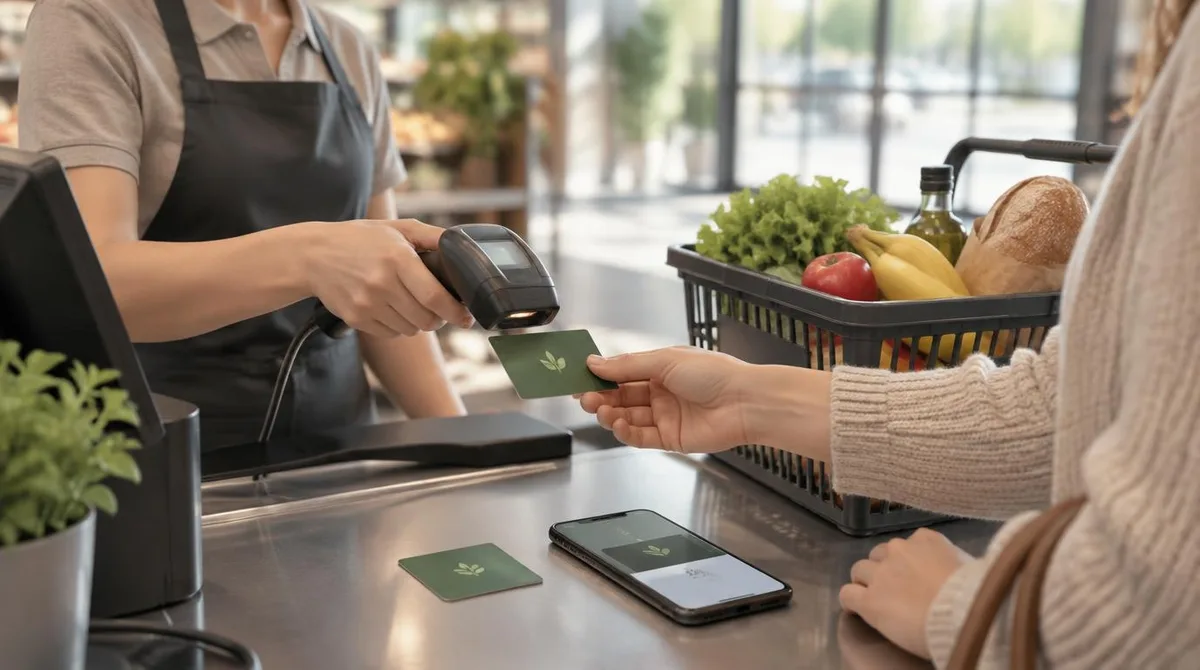
Loyalty programs look like simple perks. Scan a card, collect points, save a little money at the register. Under the surface, each scan adds a row to a very detailed portrait of the shopper. This article explains how retail loyalty programs collect customer data, what kinds of data they gather, and how retailers turn those records into business decisions. For related coverage, see Same-Day Delivery Economics: What It Costs Retailers. What a Loyalty Program Really Is A loyalty program is a marketing strategy designed to encourage customers to keep shopping at one or more businesses tied to the program. The customer gets an account, often with a card or an app, and every purchase gets linked to that account over time. The link is the whole point. A discount without an account is a giveaway. A discount tied to an account is a data stream. The Many Ways Data Gets Collected The classic plastic card is no longer the only door.
This excerpt comes from the named source. Read the original for the full reporting.
Read the original at The Daily News 24