Local
How Silent Auction Items Get Procured for Benefit Galas
Meet in Common connects news with real conversations. Use ThinkMatch to arrange a Roundtable and meet people to discuss this story.
Source: News 7 Channel
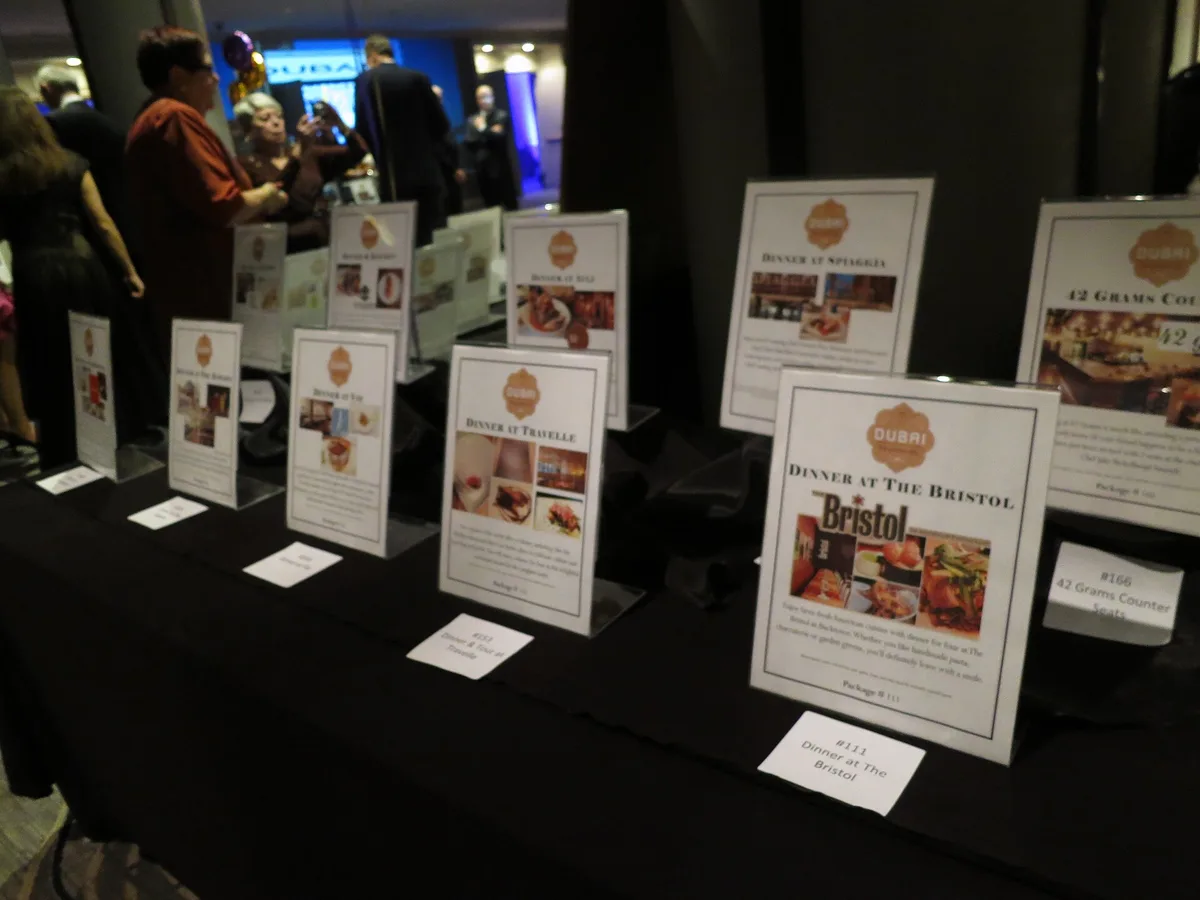
The pieces on a benefit's bidding table arrive months before the first bid. Committees assemble them through donor asks, business solicitations and board networks, a pipeline that runs long before doors open. Tax rules shape the paperwork from the first letter. In one IRS example, a bidder paid $600 for a week's stay at a beach house and could claim nothing, because the price merely matched fair rental value, per Publication 526. The same discipline matters once the bids are in, because the night's results feed cost-to-raise-a-dollar math. This piece follows an item from the wish list to the checkout table. The wider world of benefits, from budgets to institutions, sits in the site's galas section. The table may look effortless, and none of it is. Who Assembles the Item List DonorPerfect's planning guide assigns the work to named owners, a roster that starts with "Donation item sourcing." Logistics and event marketing sit alongside it. Board members carry weight in the ask.
This excerpt comes from the named source. Read the original for the full reporting.
Read the original at News 7 Channel