Local
How St. Louis County checks its ballot scanners
A Roundtable is a way to meet new people and discuss this article in person at a local coffee shop or other venue.
Roundtables are designed for groups of four, with a shared subject and room for everyone to speak. Come for discussion, with no dating expectation.
Source: Duluth News Tribune
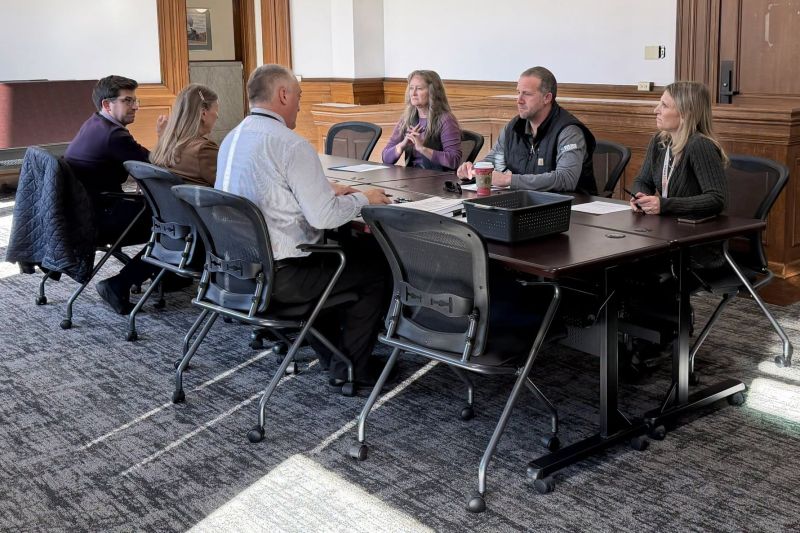
DULUTH — St. Louis County started its post-election review with a basket. On Nov. 12, members of the county canvassing board drew numbers from it to select six random precincts for a hand count. At the same meeting, the board certified the Nov. 3 election results. Across the county’s 167 precincts, 100,784 people cast ballots. Election officials gathered the next morning in the County Board room at the St. Louis County Courthouse in Duluth. They counted votes by hand in three contests — U.S. Senate, Minnesota’s 8th Congressional District, and governor and lieutenant governor — and compared their tallies with what the scanner had recorded. One voter marked a choice outside the oval next to a candidate’s name, causing the scanner to record no vote in that race. An official examining the paper ballot could see whom the voter meant to choose. On another ballot, a voter filled in two ovals and crossed one out, causing the scanner to register an overvote and count neither choice.
This excerpt comes from the named source. Read the original for the full reporting.
Read the original at Duluth News Tribune