Local
How to Pick a Card Reader Bundle Before the Market Picks for You
A Roundtable is a way to meet new people and discuss this article in person at a local coffee shop or other venue.
Roundtables are designed for groups of four, with a shared subject and room for everyone to speak. Come for discussion, with no dating expectation.
Source: Agile News
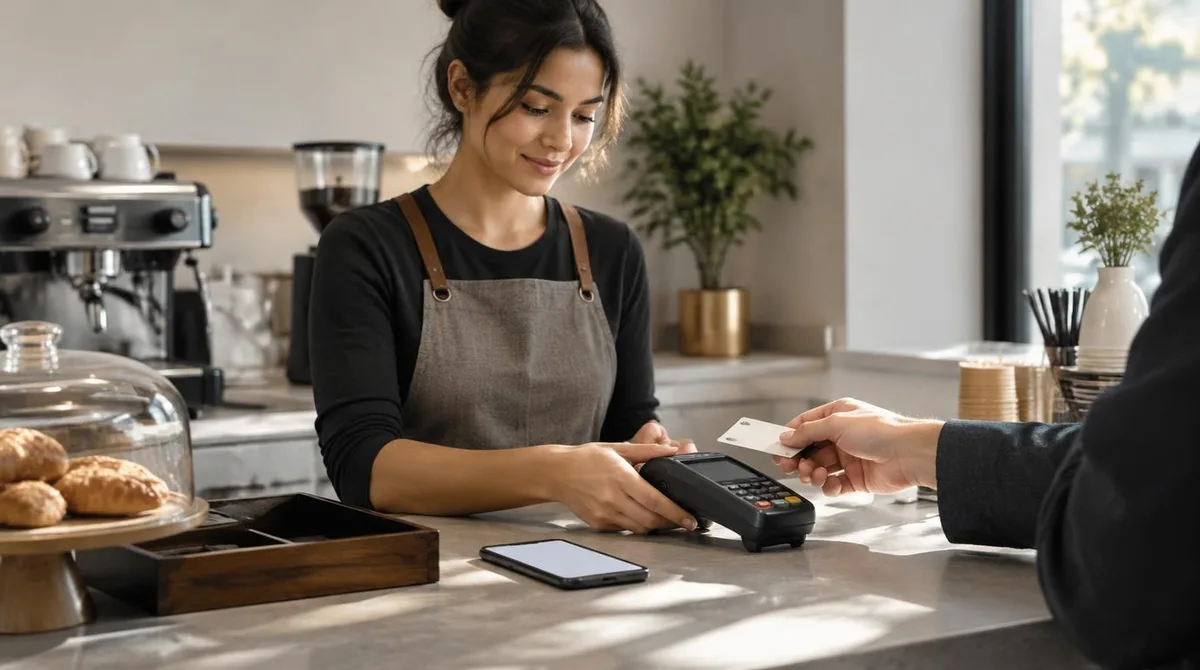
If you run a micro-business and still take cash only, the arithmetic has changed: card reader bundles — a reader, a mobile app, and payment processing sold as one package — are a fast-growing route for very small merchants to accept electronic payments, according to IndexBox, whose report cites rising micro-business adoption of integrated payment kits as a core demand driver. According to IndexBox, the global market is projected to grow at a 5.8% compound annual rate from 2026 to 2035, driven largely by micro-business formation. The catch: the market is bifurcating into a commoditized, high-volume utility segment and a premium, benefit-led segment, so the cheapest kit is no longer automatically the sensible one. This guide translates that forecast into a purchase decision you can make this week. It assumes you are a founder or operator choosing hardware for a small team, not a payments company.
This excerpt comes from the named source. Read the original for the full reporting.
Read the original at Agile News


